

The Capital Gridlock: Transport Shutdown and Gen-Z Protests Converge on Nairobi
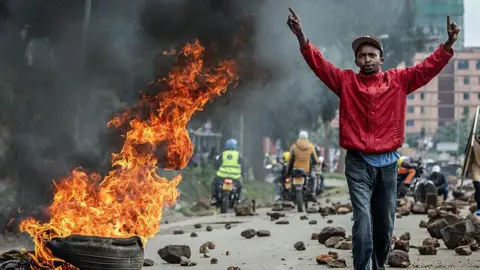
Nairobi’s central business district has ground to a near-total halt. A high-stakes showdown is playing out on the streets as a massive, unified transport strike by the Truckers Association of Kenya and regional Matatu operators has intersected directly with newly organized Gen-Z civic protests targeting the Finance Bill 2026.
With major logistics corridors paralyzed and crowds filling the streets, the economic pressure on the government is reaching a fever pitch.
1. The Logistics Freeze: Empty Roads and Stranded Commuters
Following the Energy and Petroleum Regulatory Authority’s (EPRA) recent fuel price adjustment—which sent diesel climbing by over Sh46 per liter—transport stakeholders executed a sweeping industrial action.
- The Shutdown: From the Port of Mombasa’s transit trucks to Nairobi’s essential commuter matatus, operators have pulled their fleets off the roads to protest the unsustainable cost of operation.
- Supply Chain Threat: Wholesale traders, manufacturers, and commuters are stranded. Business leaders warn that a multi-day logistics freeze will cost the economy billions in lost productivity and rot perishable agricultural goods before they reach city markets.
2. The Finance Bill Spark: Gen-Z Re-enters the Streets
Compounding the transport chaos, thousands of young Kenyans have mobilized for massive protests within the Nairobi CBD. Driven by high-profile civic activists like Eric Omondi, this renewed wave of public dissent is targeting what organizers call “unjust provisions” hidden inside the new tax architecture.
- The Core Grievances: Protesters are citing the newly exposed 25% excise duty on smartphones and aggressive levies on digital payment processing networks as direct attacks on the youth-driven digital economy.
- The Mandate Fight: Legal analysts on the ground note that ordinary citizens are completely blind-sided by the bill’s heavy digital enforcement metrics. This has converted a standard legislative debate into a broader, volatile conversation about state accountability and delivery.
3. The Corporate Squeeze
As smoke and whistles fill parts of the capital, corporate boards are assessing the fallout.
With Kenya’s economic growth already adjusting to a slow five-year trajectory of 4.6%, formal firms are trapped. They must simultaneously navigate absent workforces, rising raw material transport fees, and impending tax changes that threaten to eat what remains of their Q2 margins.