

The Green Dollar Pivot: Centum Targets Sh4.8 Billion via Sustainable REITs
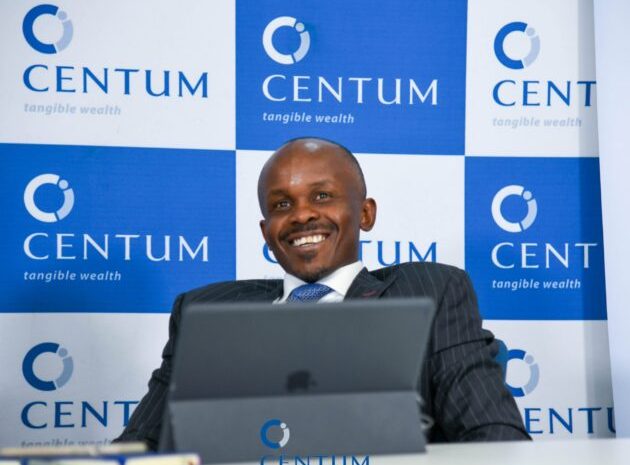
Nairobi’s institutional investment landscape is experiencing a massive structural realignment. As macro-pressures continue to strain traditional commercial assets, investment titan Centum Real Estate has officially moved to structure a Sh4.8 billion ($36 million) Green Dollar REIT (Real Estate Investment Trust).
This aggressive push into sustainable, hard-currency-denominated real estate assets represents a calculated defensive play against regional currency fluctuations and domestic inflation, which pushed April’s headline CPI to 5.6%.
1. The Mechanics of the Green REIT
Centum’s strategic move aims to leverage Nairobi’s growing status as Africa’s premier hub for green finance and sustainable development.
- Hard Currency Insulation: By structuring the REIT in US Dollars, Centum is offering domestic and regional institutional investors a vital hedge against local currency volatility.
- The Eco-Premium: The capital raised is earmarked for ultra-modern, energy-efficient commercial and residential developments. These projects are engineered from the ground up to reduce long-term utility overheads—a critical selling point for corporate tenants fleeing high energy costs.
- Tapping the Dollar Market: Asset managers view this as a direct play to capture offshore capital looking for sustainable entry points into East Africa’s real estate sector under strict ESG (Environmental, Social, and Governance) compliance.
2. The Shift in Institutional Liquidity
Centum’s multi-billion shilling play comes exactly as commercial banks demonstrate massive financial muscle.
- The Co-op Bank Dividend Record: Highlighting the underlying cash strength within the financial sector, Co-operative Bank of Kenya recently raised its dividend payout by a record 66.6%, distributing a staggering Sh14.6 billion to shareholders.
- Capital Realignment: This massive wave of banking liquidity is hitting the market just as investors search for high-yielding asset classes. With traditional office real estate facing changing corporate demand patterns, sustainable green dollar bonds and REITs are emerging as the preferred alternative.
3. Why Green Property Is the 2026 Hedge
With the Finance Bill 2026 threatening to raise transactional taxes across multiple traditional sectors, real estate optimization is no longer optional. Green-certified buildings enjoy lower operational costs, faster occupancy rates, and increasingly qualify for preferential financing terms from global development funds looking to advance Africa’s climate resilience.