

The Cartel Confrontation: Ruto Defies Oil Suppliers to Build Local Refinery
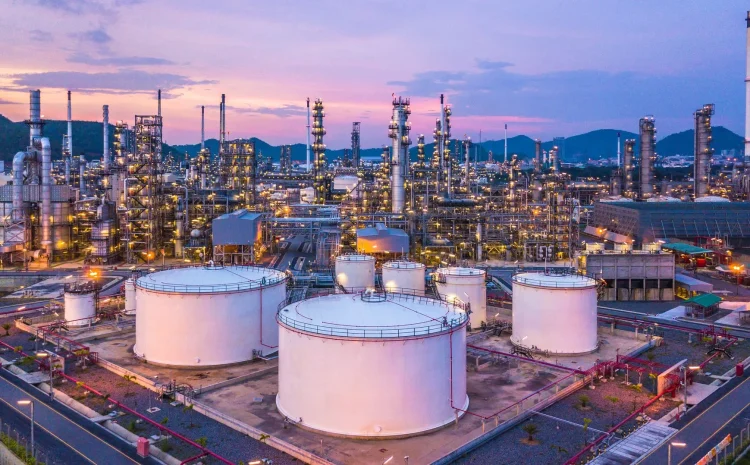
Nairobi’s geopolitical and energy sectors are bracing for a high-stakes standoff. Speaking at the Annual National Prayer Breakfast, President William Ruto confirmed that his administration will aggressively move forward with plans to construct a regional oil refinery in Kenya this year, directly defying pushback from powerful global fuel supply chains.
The project, being designed in partnership with Nigerian billionaire Aliko Dangote, lands as a critical structural intervention to insulate East Africa from extreme pump volatility, which recently saw Nairobi diesel touch an all-time high of Sh242.92 per litre.
1. Breaking the Import Cartel
President Ruto revealed that he had spoken directly with Aliko Dangote regarding the immense corporate resistance the venture is already generating.
- The Resistance: Multinational fuel suppliers benefiting from Kenya’s total dependence on imported refined petroleum are actively lobbying against the project.
- The Long-Term Hedge: Kenya currently imports every single litre of its refined petroleum, exposing the entire local economy to foreign exchange shocks and geopolitical supply chain bottlenecks. The new refinery is engineered to permanently break this cycle, anchoring regional energy security.
- The Capital Timeline: Technical teams have spent months evaluating refinery models, and groundbreaking is slated before the end of the year.
2. The Sovereign Debt Warning: TI Targets NDA Secrecy
As the executive plans multi-billion shilling energy infrastructure, anti-corruption watchdog Transparency International (TI) Kenya has issued a severe public alert regarding the national balance sheet.
- The Non-Disclosure Problem: TI warned that a proliferation of “secrecy clauses” and Non-Disclosure Agreements (NDAs) embedded inside major government infrastructure and resource-backed loans is severely damaging public accountability.
- The Value-For-Money Trap: The lobby group highlighted that hiding procurement terms and sovereign debt commitments locks out citizen oversight, creating a breeding ground for inflation and unmonitored financial exposure.
- The Call for Reform: Oversight institutions are demanding immediate, unhindered access to all external borrowing files to audit project feasibility before the next budget cycle kicks in.
3. The Maternal Health Counter-Allocation
To soften the pressure of fiscal scrutiny, the State House has simultaneously rolled out an emergency Sh7.5 billion plan designed to radically lower maternal and newborn mortality. As part of this push, the National Treasury is routing an extra Sh4 billion to the Social Health Authority (SHA) to cover immediate health insurance premiums for pregnant mothers across the most vulnerable counties.