

The “Double Squeeze”: Diesel Hits Sh242 as Kenya Tables Sh4.8T Budget
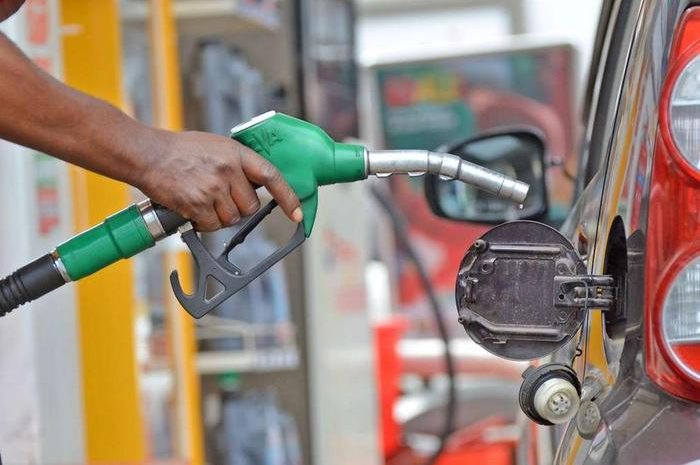
The “Silicon Savannah” woke up to a brutal reality this morning. Just hours after the government tabled a record-breaking Sh4.82 trillion budget, the Energy and Petroleum Regulatory Authority (EPRA) announced a massive spike in fuel prices that takes effect today, May 15, 2026.
For SMEs already balancing high operational costs, this “double squeeze” of rising taxes and skyrocketing logistics costs marks a critical turning point for the 2026/27 financial year.
1. Pain at the Pump: The Diesel Shock
In its latest monthly review, EPRA has implemented a substantial jump in prices for the May–June cycle.
- Diesel Surge: Diesel has skyrocketed by Sh46.29 per litre, pushing the retail price in Nairobi to a staggering Sh242.92. This is expected to immediately inflate the cost of public transport and manufactured goods.
- Petrol Increase: Super Petrol has risen by Sh16.65 per litre, now retailing at Sh214.25 in the capital.
- The Subsidy Shield: The government is deploying a Sh5 billion subsidy from the Petroleum Development Levy Fund to prevent even higher spikes for diesel and kerosene. Without this, the crisis for transporters would be even more severe.
2. The Sh4.8 Trillion Gamble: Where the Money Goes
The 2026/27 budget proposal is the most ambitious in Kenya’s history, targeting Sh3.6 trillion in revenue against Sh4.8 trillion in spending.
- Infrastructure & Development: Massive allocations are aimed at sustaining public services and development projects across all key sectors.
- The Debt Shadow: A significant portion of the Sh4.8 trillion is earmarked for debt servicing, leaving a narrow margin for error in fiscal management.
- Finance Bill 2026: New proposals are already on the table to expand withholding taxes on digital platforms, payment networks, and merchant fees—a move that could increase costs for the fintech sector.
3. The “Hustler” Survival Strategy
With logistics costs rising overnight, Kenyan SMEs are being urged to pivot quickly.
- Efficiency First: Businesses are moving toward AI-driven route optimization and “Green Logistics” to mitigate the Sh46 diesel hike.
- Digital Formalization: The new Finance Bill seeks to integrate more small businesses into the e-TIMS data network, making tax compliance a non-negotiable part of doing business in 2026.