The idea is old, and it is right: stop shipping rock and logs, and sell the finished thing instead.
What is new is the calendar. 3 countries have now set dates to stop raw exports. In each, the date arrives before the factory does.
The lithium
Zimbabwe earned $2.16 billion from lithium in the first 9 months of 2026, more than it earned from platinum. About $1.8 billion of that was spodumene concentrate: crushed, upgraded ore, the form in which Zimbabwe became China’s 2nd-largest supplier in 2025.
From 1st January 2027, that concentrate may not leave the country. In April 2026, the mines ministry told companies to commit in writing to building lithium sulphate plants in Zimbabwe, finished and running before that date. On 9th October 2026, the information minister, Nick Mangwana, rejected calls for an extension.
By late September 2026, 1 such plant was running: Zhejiang Huayou Cobalt’s $400 million plant at Arcadia, near Harare. It has already shipped $190.52 million of lithium sulphate, Zimbabwe’s first. But according to Shanghai Metals Market, it can process its own ore and cannot take concentrate from other mines. Sinomine’s 100,000 tonne a year plant at Bikita is still being built.
$1.8 billion of concentrate. 1 plant, fed by 1 mine.
The timber
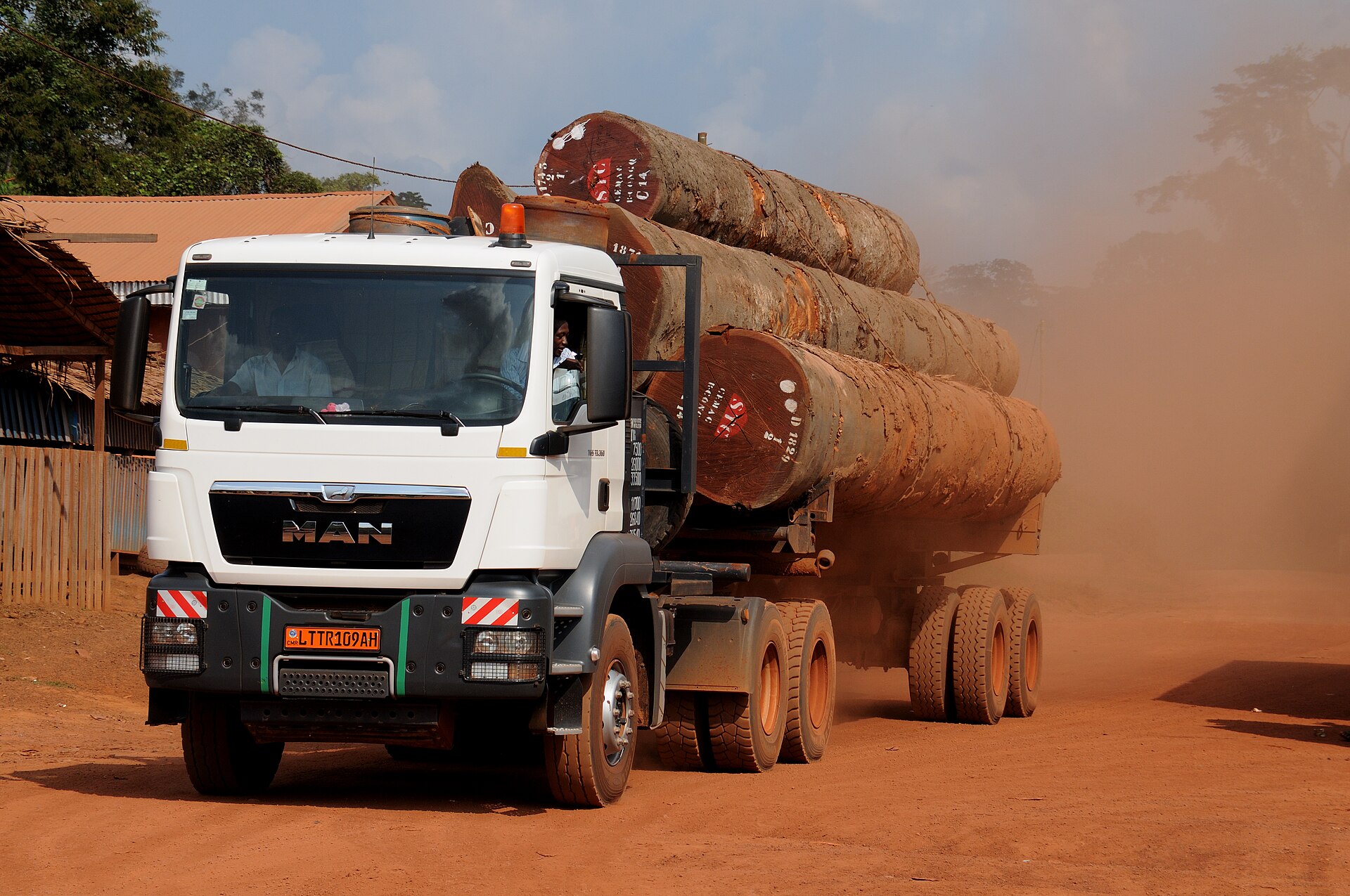
Cameroon has been at this longer, and it started with a tax. Its duty on raw log exports rose from 17.5% of value in 2017 to 75% in 2024. 91 species may no longer leave as logs at all; the latest 15 were added on 28th April 2026. On 12th October 2026, President Paul Biya’s instructions for the 2027 budget asked for the list to grow again.
The point is to send out planks, not trunks. The 2025 numbers are hard to read that way. Log exports fell 26.5%, to 349,611 cubic meters. Sawn timber exports fell as well, by 14.9%, to 762,007 cubic meters. Fewer logs left, and fewer planks left with them. The figures cannot show where the difference went.
The whole region now has a deadline. In Bangui in February 2024, the CEMAC states and the DRC agreed to stop raw log exports from 1st January 2028.
Logs, down 26.5%. Planks, down 14.9%.
The manganese
Gabon is the most candid about the gap. It will ban raw manganese ore exports from 1st January 2029. Under a memorandum signed in July 2026, it is studying processing of up to 700,000 tonnes a year by the end of 2031. A renovated metallurgical complex at Moanda, making 70,000 tonnes of alloys a year, is targeted to restart by the end of 2029. A new coastal plant of 265,000 tonnes a year would follow from 2031.
Set the dates side by side and the plan admits it: most of the processing starts after the ban does.
The money is moving, from Paris. France plans to become the largest shareholder in Eramet, which owns Gabon’s manganese miner Comilog, through a €500 million capital increase. Eramet carries €1.87 billion of net debt and has not said how much of the new money goes to Gabon.
The ban: 2029. The plants: 2029 to 2031.
The lesson
Put the 3 together and the pattern is not that bans fail. It is that a ban moves the bottleneck.
Before, the scarce thing was a buyer abroad. After, it is a plant at home willing to take your ore or your logs. That makes the plant the power in the market, and it makes the miner or logger without one a seller with nowhere to sell.
That is the gap each ban opens: toll processing, refining other people’s raw material for a fee. In Zimbabwe, the lithium mines without a sulphate plant need one that takes outside ore. In Cameroon, whoever holds the 91 banned species needs a mill that will buy them. It costs a plant’s worth of capital. It also has what most industrial projects never get: a date by which every seller in the country needs it.
On 1st January 2027, Zimbabwe’s trucks will still be loaded with crushed ore.
What changes is the road they take.