

Cameroon’s Soap Conquered Nigeria. Now It Needs the Oil.
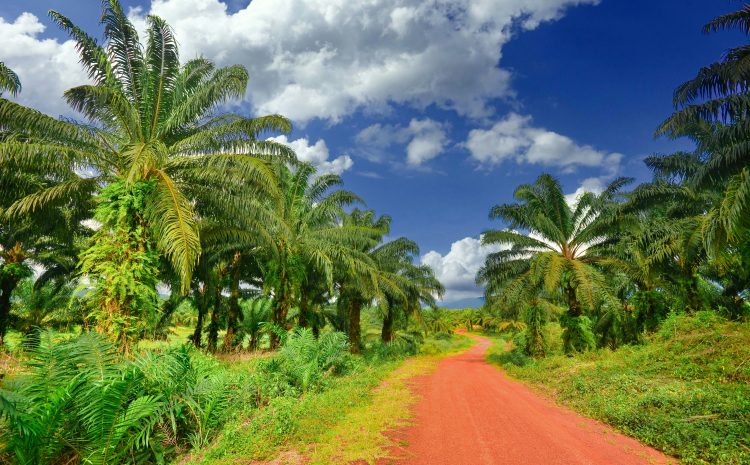
Cameroon has a new top 10 export, and it is not oil, cocoa or timber.
It is household soap.
The bar
In 2025 Cameroon shipped 74,208 tonnes of soap abroad, up 31% in a year. The money rose faster: CFA52.9 billion, up 54%. The national Competitiveness Committee now ranks household soap ninth among the country’s exports, ahead of raw rubber.
The biggest buyer is next door. In 2023, the last year with destination data, Nigeria bought CFA27 billion of Cameroonian soap, about half of all the soap Cameroon sold abroad. Soap made up 68% of all Cameroon’s exports to Nigeria.
Africa’s most populous country buys twice as much soap from Cameroon as everything else Cameroon sends it, combined.
And the money is following. On 2 October, Sapou Industries signed an agreement with Cameroon’s SME promotion agency, APME, for a CFA1.3 billion soap plant in Douala, making 500 kilograms an hour, with customs and tax breaks under the 2025 investment ordinance. A day earlier, the Cameroon arm of Gabon’s BGFI Bank signed to finance a second Douala plant for businessman Francis Nana Djomou, sized at 31 million units a year.
2 new factories in 2 days.
The oil
Cameroon’s soap makers run on palm oil. There is not enough of it.
The country produced 446,984 tonnes of crude palm oil in 2024. Tarek Daoud, who runs the producer Opalm, put the shortfall at about 300,000 tonnes a year at the end of 2025. The refiners’ association, Asroc, puts it above 500,000.
The refineries show the gap. Cameroon has 1.2 million tonnes of installed oilseed refining capacity, by the agriculture minister’s count, and it runs at 40% to 50% because there is not enough oil to put through it. The rest is covered by imports the government authorizes each year: 409,000 tonnes between 2017 and 2023, for CFA280.4 billion.
Half the capacity, idle.
The plantation
The state owns a palm oil company.
The Cameroon Development Corporation was founded in 1947 to run tropical plantations, and its estates sit in the South-West and Littoral regions. At the end of 2016 it held 13,945 hectares of oil palm, beside its rubber and bananas. It is the country’s second-largest employer after the public administration.
Its 2025 accounts read like a payroll. Revenue: CFA24.93 billion. Personnel costs: CFA24.81 billion. The company posted a CFA20.04 billion loss, and its annual report admits salary arrears are building again.
The separatist conflict explains much of the fall. In 2019, only 3 of its 7 oil palm estates were operating; workers had fled the rest. The workforce fell from 22,000 to about 15,000 between 2019 and 2021, and stood at 11,437 at the end of 2025.
The state’s answer has been more money. It cleared salary arrears with a pool of local banks, folded CFA31.8 billion of the company’s tax debt into its capital, and has lined up CFA51.7 billion in loans from Standard Chartered in London to build the company a rubber factory and a palm oil plant.
99.5% of every franc CDC earned went to its staff.
The gap
Put the 3 together.
Buyers in Nigeria want the bar. Factories in Douala are being built to make it. Refineries sit half empty. The company the state owns for exactly this is spending its revenue on salaries, waiting on a factory financed in London.
Every new soap line signed this month makes the hole in the oil bigger, not smaller. Business in Cameroon says as much: more producers could intensify the shortage.
The money in this story is not in the soap. It is in the oil: crude palm oil, pressed and delivered to Douala at volume, every month, to factories that already have buyers waiting across the border.
Cameroon has found its buyers. It is still looking for the oil.