

KRA Debt Recovery Tactics Questioned After Court Blocks Bank Account Raids
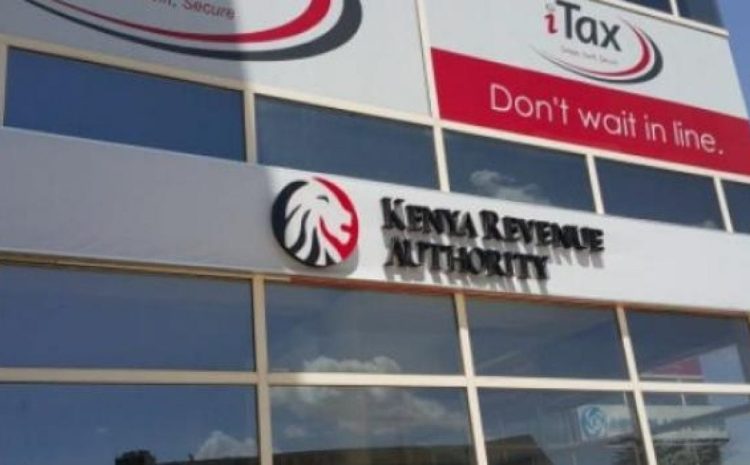
Kenya’s tax authority is facing increased scrutiny over its debt recovery methods after a court blocked attempts to access taxpayers’ bank accounts without due process.
The Kenya Revenue Authority (KRA) has been actively pursuing unpaid taxes by issuing agency notices to banks, allowing it to freeze and recover funds directly from accounts of alleged defaulters. However, a recent court ruling has temporarily halted this approach in a specific case, raising broader concerns about the legality and fairness of such actions.
Court Intervention Raises Due Process Concerns
The court decision followed a petition by a taxpayer who argued that KRA’s actions were abrupt and did not allow adequate time to challenge the claims. The ruling underscores the need for tax enforcement to respect legal procedures and taxpayers’ rights.
Legal experts say the case could set an important precedent, potentially limiting how aggressively KRA can pursue tax recovery through third parties such as banks.
Balancing Enforcement and Rights
KRA has intensified efforts to boost revenue collection amid growing fiscal pressure on the government. Recovering unpaid taxes is a key part of this strategy, especially as Kenya seeks to reduce budget deficits and meet its financial obligations.
However, critics argue that aggressive enforcement tactics could harm businesses by disrupting cash flow and operations, particularly if disputes are unresolved.
Wider Implications for Businesses
The ruling introduces uncertainty around KRA’s debt recovery tools and may prompt a review of its enforcement framework. Businesses are now likely to be more cautious, while also seeking stronger legal protections when dealing with tax disputes.
At the same time, authorities are expected to continue pursuing unpaid taxes, but possibly with greater emphasis on compliance with due process.