

The Internal Pivot: How the 2026 Middle East Crisis is Reshaping African Supply Chains
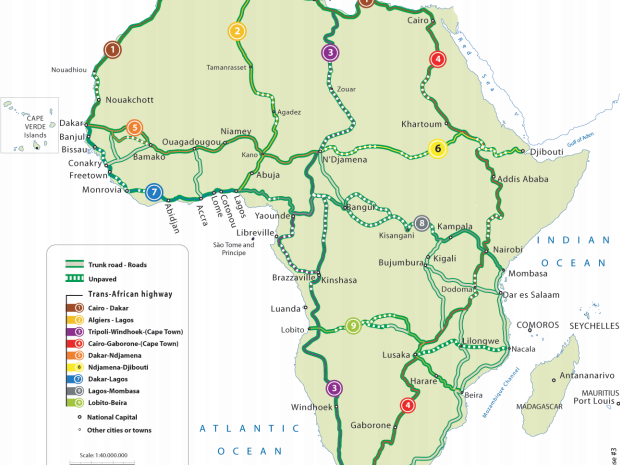
For years, the phrase “Africa Looking Inward” was a patriotic slogan. By April 17, 2026, it has become a hard-coded business necessity.
As the Middle East crisis intensifies, causing shipping delays and soaring costs for fuel and fertilizer, African SMEs are facing a brutal choice: wait for global supply chains to normalize or build their own. The data from this week suggests they are choosing the latter.
1. The Fertilizer Gap and the “Nigerian Solution.”
A report released Wednesday, April 15, by the African Development Bank (AfDB) warns that disruptions in Gulf energy supplies are threatening the critical March–May planting season. With traditional fertilizer imports blocked, agritech and manufacturing SMEs are pivoting to local alternatives.
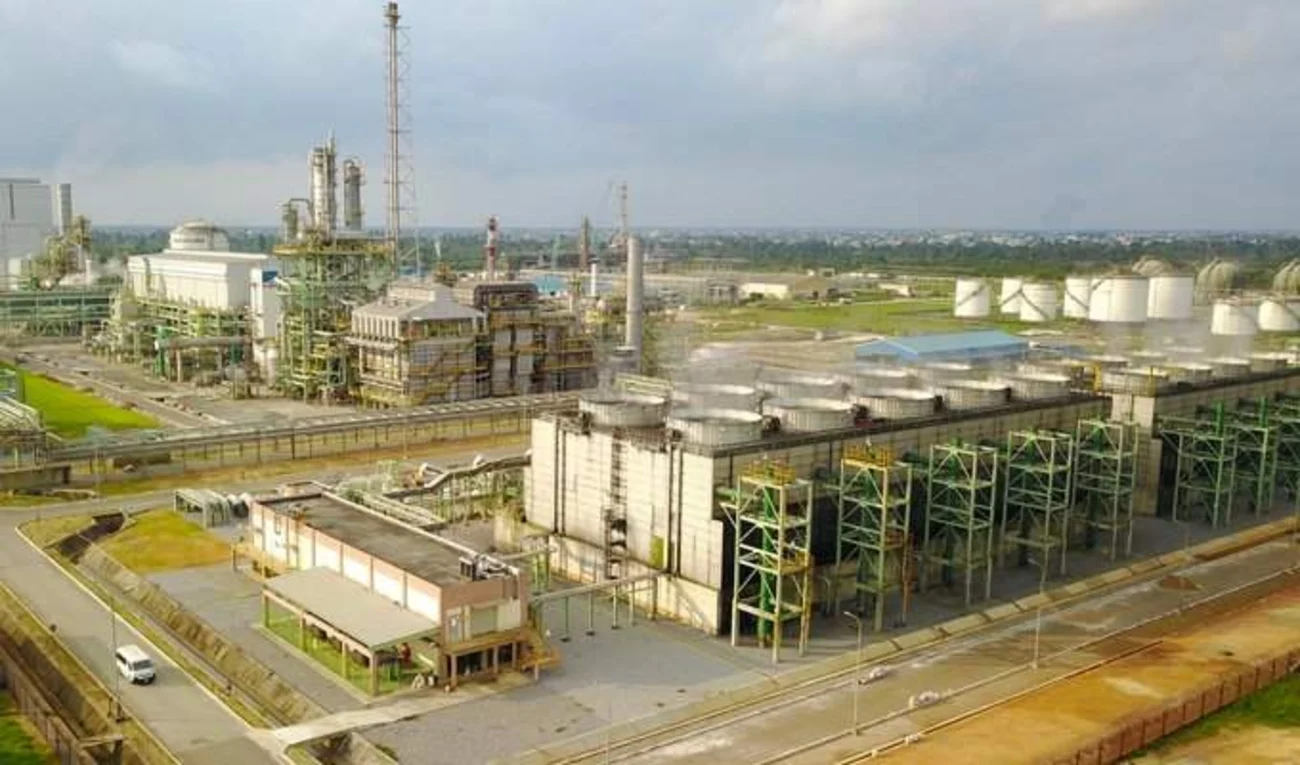
The shift: Nigeria has suddenly elevated its role as a continental hub for fertilizer production. SMEs across West Africa are now bypassing international shippers to source directly from regional plants like the Dangote and Indorama facilities. This is no longer just about trade; it’s about food security.
2. Afreximbank’s $10 Billion Shield
Recognizing that small businesses are the most vulnerable to these shocks, Afreximbank launched a massive $10 billion trade-focused support program this week.
- The Goal: To provide a liquidity buffer for African economies exposed to the Middle East crisis.
- The SME Impact: The program specifically targets “Supply Chain Resilience,” helping SMEs move from global dependency to regional self-reliance.
3. The Birth of “T2T” (Training to Transaction)
Just yesterday, April 16, Providus Bank launched the T2T Programme, a direct response to the need for SMEs to integrate into global value chains while staying resilient. The program focuses on high-growth sectors like Agro-processing, Textiles, and Leather.
Unlike previous workshops, T2T is built for the 2026 reality: it provides hands-on “transaction execution” support, ensuring that when an SME finds a regional buyer to replace a disrupted global one, the trade actually happens.