

Kenya’s Health Worker Crisis Deepens as Migration Worsens Shortages
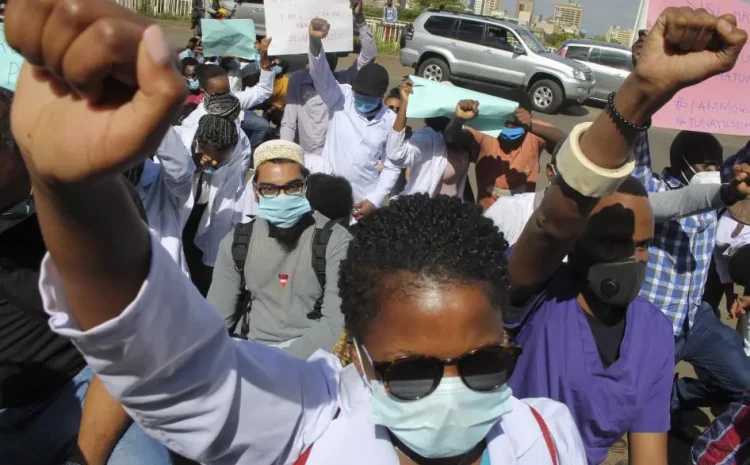
Kenya is facing a growing healthcare workforce crisis, with a widening gap between the number of medical professionals needed and those available, raising concerns about the country’s ability to deliver quality healthcare.
According to recent analysis, Kenya currently requires over 311,000 health workers but has only about 234,000 in place—meeting just over 75% of demand and leaving nearly 77,000 positions unfilled.
Migration Driving Shortages
A major factor behind the shortfall is the increasing migration of healthcare workers seeking better pay and working conditions abroad. Estimates show that around 4,000 doctors and nurses leave the country each year, weakening the system and reducing experienced personnel available locally.
The situation is expected to worsen over time. Projections indicate that the shortage could rise significantly by 2031, with staffing levels falling further below what is needed to support effective healthcare delivery.
Growing Demand Outpacing Supply
Demand for healthcare workers is increasing faster than supply, driven by population growth and rising healthcare needs. While demand is growing at about 4.7% annually, the supply of trained professionals is expanding at a slower rate.
This mismatch threatens Kenya’s goal of achieving universal health coverage, as understaffed facilities struggle to meet patient needs.
Imbalances in Training and Staffing
The crisis is also marked by uneven distribution across different health professions. Some specialised roles face severe shortages, while others risk oversupply due to poor workforce planning.
At the same time, many trained professionals remain unemployed or underemployed despite clear gaps in critical areas—highlighting structural inefficiencies in the sector.
Need for Urgent Policy Action
Government officials acknowledge that the crisis is structural and will require long-term solutions, including better workforce planning, increased investment in health, and improved working conditions to retain talent.
Without urgent intervention, Kenya’s healthcare system risks becoming increasingly strained, with fewer professionals available to meet the needs of a growing population.