

KRA Introduces New PIN Category for Non-Taxpayers, Including Students
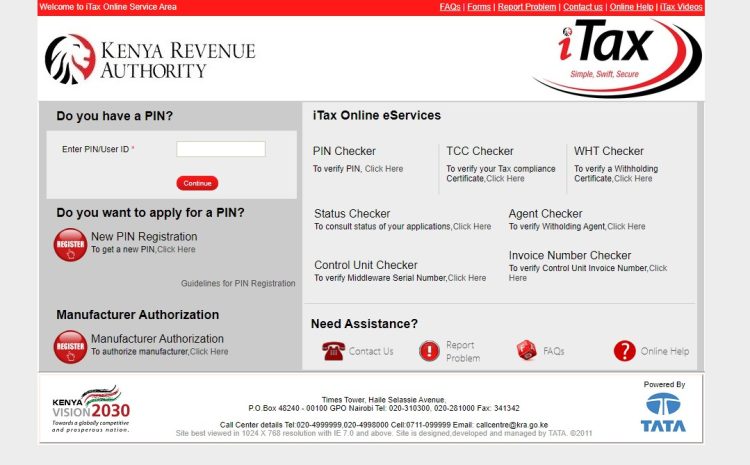
The Kenya Revenue Authority (KRA) has introduced a new type of Personal Identification Number (PIN) targeting individuals who are not currently engaged in taxable activities, including students and diplomats.
Known as the PIN Without Obligation (PWO), the new category allows individuals to obtain a KRA PIN without being required to file tax returns—marking a shift from previous rules where all PIN holders were expected to submit returns, even if they had no income.
Why the New PIN Matters
The move is aimed at cleaning up and improving the accuracy of Kenya’s taxpayer register while making it easier for non-income earners to access essential services that require a PIN. In Kenya, a KRA PIN is often mandatory for activities such as; Applying for higher education funding (e.g., HELB loans), opening bank accounts, registering businesses or contracts
Previously, students and other non-earning individuals were forced to register for a PIN and file “nil returns,” creating confusion and compliance burdens. Under the new system, holders of a PWO PIN will not be required to file returns unless their status changes.
Flexible Transition to Taxpayer Status
KRA clarified that once a PWO holder begins earning income or engages in taxable activities, they must update their PIN details to include the relevant tax obligations.
This ensures that individuals are only brought into the tax system when they actually become economically active—reducing unnecessary administrative requirements.
How to Apply
Applications are processed through the iTax platform. Applicants must; Select “new PIN registration”, choose the option for PIN Without Obligation, provide personal details, contact information, and supporting documents, verify their email via a one-time password (OTP)
The process applies to both Kenyan residents and non-residents, with non-resident applications subject to approval by KRA officials.
Broader Policy Shift
The introduction of the PWO reflects a broader effort by KRA to modernise tax administration and improve compliance by aligning obligations with actual income activity.
It also reduces the burden on young people and non-income earners, while allowing the tax authority to maintain a more accurate and efficient database of potential future taxpayers.