

Kenya Power Bills Rise as EPRA Introduces New Forex, Fuel and Water Levies
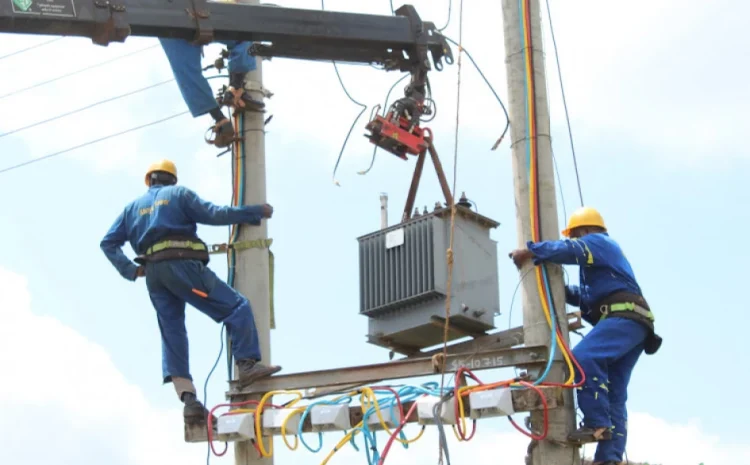
Electricity costs in Kenya are set to increase in April after the Energy and Petroleum Regulatory Authority (EPRA) introduced new charges tied to fuel prices, exchange rate movements, and water usage.
The regulator announced three additional levies that will apply to all electricity consumed in April 2026, pushing up the cost per unit for households and businesses across the country.
Breakdown of the New Charges
The new charges include; Fuel Energy Cost Charge (FECC): 347 cents per kWh, reflecting the cost of diesel, gas, and other fuels used in power generation, foreign Exchange Fluctuation Adjustment: 123.41 cents per kWh, linked to exchange rate losses in the energy sector and water Resource Management Levy: 1.54 cents per kWh, tied to hydropower generation. Together, these adjustments add about KSh 4.72 per unit of electricity before taxes, significantly increasing monthly bills.
Why Bills Are Increasing
EPRA says the changes reflect actual costs incurred in generating electricity. Kenya’s power sector relies partly on imported fuel and dollar-denominated contracts with independent power producers, making it vulnerable to currency fluctuations and global energy prices.
The fuel charge—by far the largest component—has risen due to higher global oil prices and increased reliance on thermal (diesel-powered) plants, especially when hydropower and geothermal supply is insufficient.
Global Pressures Feeding Into Local Costs
The increase comes amid rising global energy prices linked to tensions in the Middle East, particularly disruptions affecting oil supply routes such as the Strait of Hormuz.
Higher fuel costs globally translate directly into higher electricity generation costs in Kenya, as diesel-powered plants are used to stabilise supply—especially in off-grid and remote areas.
Who Will Be Most Affected?
Households: Will see higher monthly token costs depending on consumption
Businesses: Face rising operating expenses, which could be passed on to consumers
Remote regions: Likely to be hardest hit due to reliance on expensive diesel generation
Analysts estimate the increase could add hundreds or even thousands of shillings to monthly bills depending on usage levels.
A Structural Challenge
The new levies highlight a broader issue in Kenya’s energy sector: heavy exposure to global fuel markets and foreign exchange risks.
While EPRA maintains the charges are necessary to ensure stable power supply and keep utilities financially viable, the adjustments add to the cost-of-living pressures already facing Kenyan households.