

Dangote Plans Massive Refinery Expansion, Targeting 95,000 Jobs
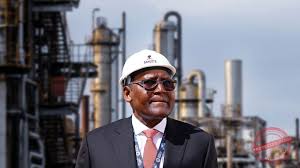
Africa’s richest man, Aliko Dangote, has unveiled plans to significantly expand his flagship oil refinery in Nigeria, in a move that could reshape the continent’s energy landscape and create tens of thousands of jobs.
The expansion will increase the capacity of the Dangote Refinery from 650,000 barrels per day to 1.4 million barrels per day, potentially making it the largest refinery in the world once completed.
At peak construction, the project is expected to generate up to 95,000 jobs, largely for skilled workers and engineers.
Building Africa’s Energy Independence
The refinery, which began operations in 2024 after nearly a decade of development, is already the largest in Africa and was designed to reduce Nigeria’s heavy reliance on imported fuel.
With this expansion, Dangote is doubling down on a broader strategy to boost local refining capacity, cut fuel imports, and position Africa as a major player in global energy markets.
The move comes at a time when global fuel markets are facing volatility due to geopolitical tensions and supply disruptions, particularly in key oil transit routes such as the Strait of Hormuz.
A $40 Billion Industrial Vision
The refinery expansion is part of a wider $40 billion investment plan that includes scaling up petrochemicals and fertiliser production, as well as exploring new projects across Africa.
Dangote is also planning to sell a stake in the refinery through a multi-exchange listing to raise capital for the expansion, in what could become one of Africa’s largest-ever corporate fundraising efforts.
Wider Impact on Africa
Analysts say the project could; strengthen fuel supply across West and Central Africa, reduce exposure to global oil price shocks, create jobs and boost industrialisation and position Nigeria as a regional energy hub
However, the success of the expansion will depend on factors such as financing, crude supply, and global market conditions.
A Strategic Bet on the Future
Dangote’s investment reflects growing confidence in Africa’s industrial potential and a push toward self-sufficiency in critical sectors like energy.
If completed as planned, the expanded refinery could mark a turning point in how Africa produces, consumes, and exports refined petroleum products.