

The 8.75% Pause: Why the Central Bank Just Hit the Brakes on Rate Cuts
For the past year, the Kenyan business community has operated to a predictable rhythm. Ten consecutive interest rate cuts had created a sense of momentum: borrowing was getting cheaper, the “money tap” was opening, and the narrative was one of aggressive economic recovery.
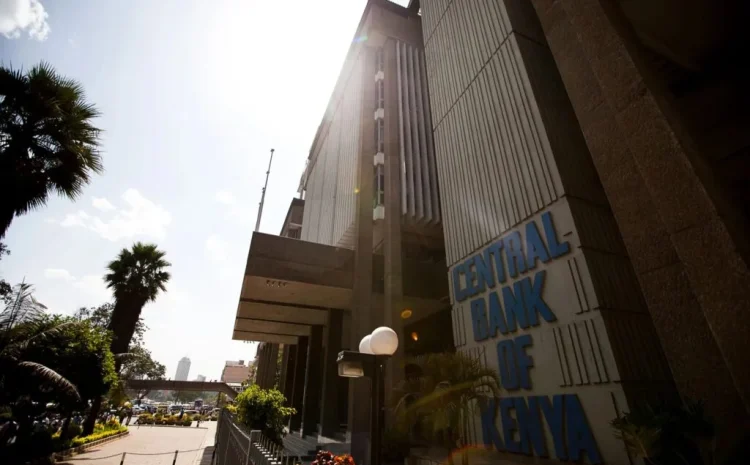
However, on April 8, 2026, the Monetary Policy Committee (MPC) changed the tune. By electing to hold the Central Bank Rate (CBR) steady at 8.75%, the CBK sent a clear signal that the “easy money” era is taking a strategic breather.
The Story of the “Silent Partner”
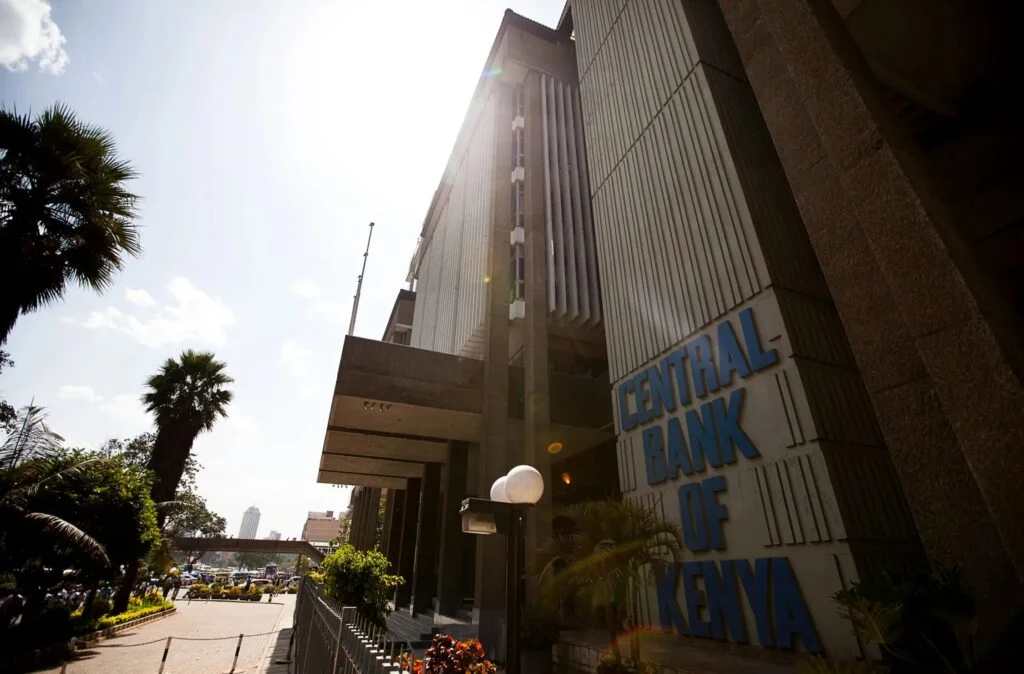
To understand why this pause matters, we have to look beyond the bank’s marble floors and into the reality of Industrial Area, Nairobi.
Imagine a local manufacturer—let’s call him Otieno. Otieno spent the last month drafting an expansion plan, betting on another rate cut to lower the cost of importing new machinery. On the surface, the CBK’s decision to hold the rate feels like a setback for his loan application. But in reality, the CBK just did him a massive, albeit invisible, favor.
While Otieno was focused on the interest rate of his loan, the CBK was watching the “Silent Partner” in his business: Global Oil Prices.
The Global “Weather” Report
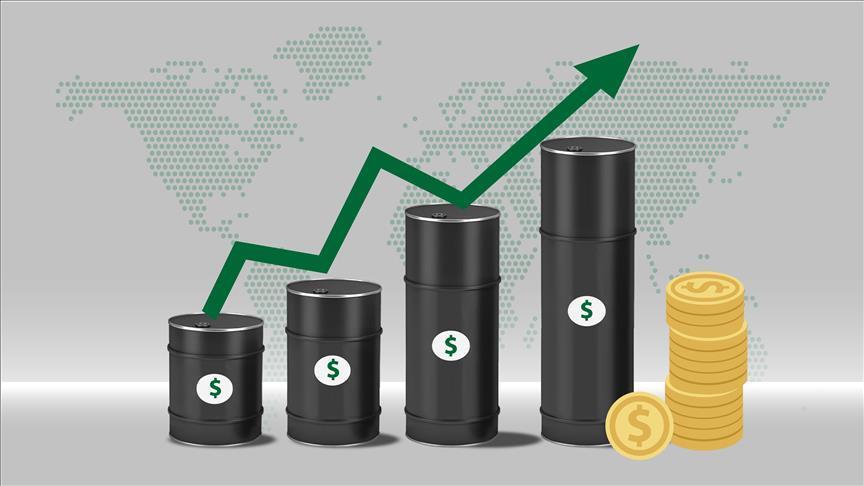
In 2026, no business is an island. Despite our domestic growth, the horizon is currently clouded by geopolitical tensions in the Middle East. With global crude prices recently surging toward $120 per barrel and threats to the Strait of Hormuz disrupting supply chains, the risk of “Imported Inflation” is at a four-year high.
If the CBK had cut rates further this week, it could have put downward pressure on the Shilling. For a manufacturer like Otieno, a weaker Shilling would mean that even if his loan were cheaper, the actual cost of his imported machinery—and the fuel required to run his factory—would skyrocket.
By holding the rate at 8.75%, the CBK is attempting to anchor the economy against these external shocks. They are prioritizing the stability of the Shilling and the containment of inflation, which stood at 4.4% in March 2026.
The Management Lesson: Variance and Vigilance
For those of us in management and finance, this move is a masterclass in Risk Mitigation. In a business environment, we often perform “Variance Analysis” to see why our actuals don’t match our budgets. The CBK is essentially performing variance analysis on a national scale.
The lesson for every entrepreneur is twofold:
- Profitability vs. Liquidity: In a “paused” rate environment, cash is king. If borrowing costs aren’t dropping as fast as expected, internal liquidity becomes your most important shield.
- Watch the Inputs: If your business is energy-dependent or relies on imports, the CBK just signaled that global energy costs are the primary risk factor for the remainder of 2026.
The Final Outlook
The 8.75% pause isn’t a sign of a stalling economy; it’s a sign of a vigilant one. It serves as a reminder that the most successful businesses aren’t just those that grow the fastest, but those that build a “Margin of Safety” to survive the global weather.
As we move into the second quarter of the year, the question for every leader is: Is your strategy robust enough to withstand a pause, or were you banking entirely on the wind staying at your back?