

The Pride and the Pivot: What Kenya Airways Teaches Us About Business Survival
In the world of business, we are taught that numbers are the ultimate truth. We chase KPIs, monitor conversion rates, and worship at the altar of ROI. But what happens when the data says “Go,” but the market says “No”?
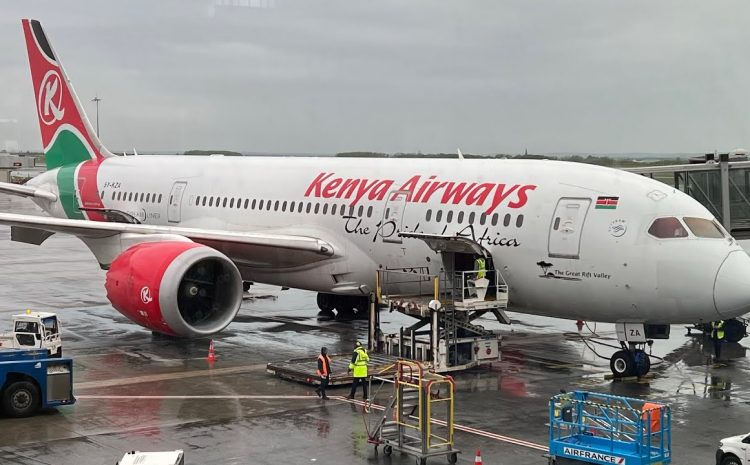
This week, a quiet signature in Nairobi changed the trajectory of the “Pride of Africa” forever. With the Kenyan Treasury moving to take majority control of Kenya Airways (KQ), we aren’t just witnessing a corporate restructuring—we are watching a masterclass in high-stakes survival.
The Turbulent Descent
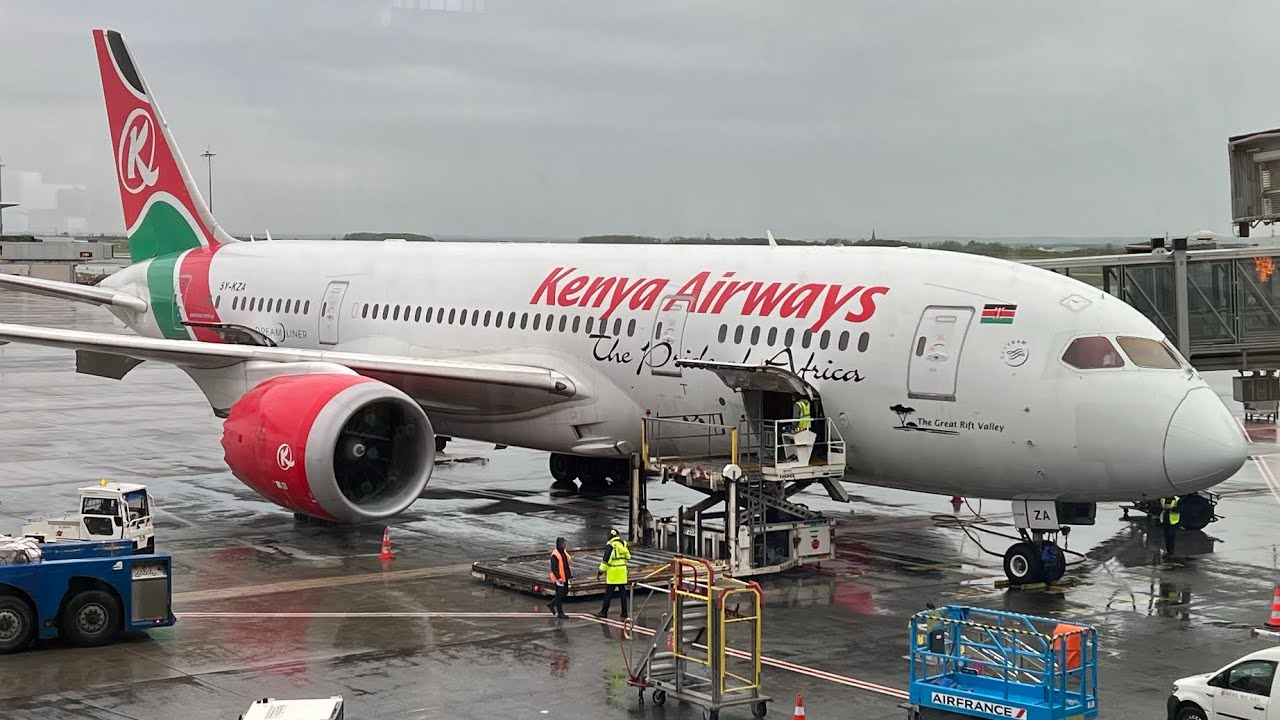
Imagine a Boeing 787 Dreamliner sitting silent on the tarmac at JKIA. It is a marvel of engineering, yet it is grounded, not by a storm, but by a balance sheet.
For many entrepreneurs, this image hits close to home. In 2025, KQ reported a net loss of KSh 17.1 billion. Despite having a world-class fleet and a dedicated team, the “perfect” strategy on paper was met with a harsh reality: a 13% drop in passenger numbers and cargo holds that were only half-full.
We often find ourselves in this “Gold Rush” moment—launching a product or campaign that we are certain will fly, only to be met with the deafening silence of empty notifications. At that crossroads, most businesses face a brutal choice: do you double down on the failing ads, or step back and admit the cockpit needs a new navigator?
KQ has reached its cliffhanger. By transitioning from a private-sector-led model back to state majority ownership, the goalposts have shifted. The question is no longer just “Can we fly?” but “Who is actually in the cockpit, and where are they taking us?”
The Lesson in the Turbulence
This move isn’t just local news; it’s part of a global 2026 trend known as Economic Nationalism. From tech in Asia to energy in Europe, governments are reclaiming “strategic assets” to guard against global shocks.
But for the modern business leader, the lesson lies in the Strategic Pivot. In management accounting, we are taught to ignore “Sunk Costs”—money already spent that cannot be recovered. Yet, in the real world, we often stay on a sinking ship because we’ve already paid for the ticket. The Kenya Airways story challenges us to look at our businesses through a different lens:
- The “What” vs. The “Why”: Quantitative data (like a high bounce rate) tells you what is happening. But only qualitative data—actually listening to the market—tells you why.
- Profitability vs. Indispensability: Is your business merely trying to make a shilling, or are you building something so vital to your ecosystem that it must be saved?
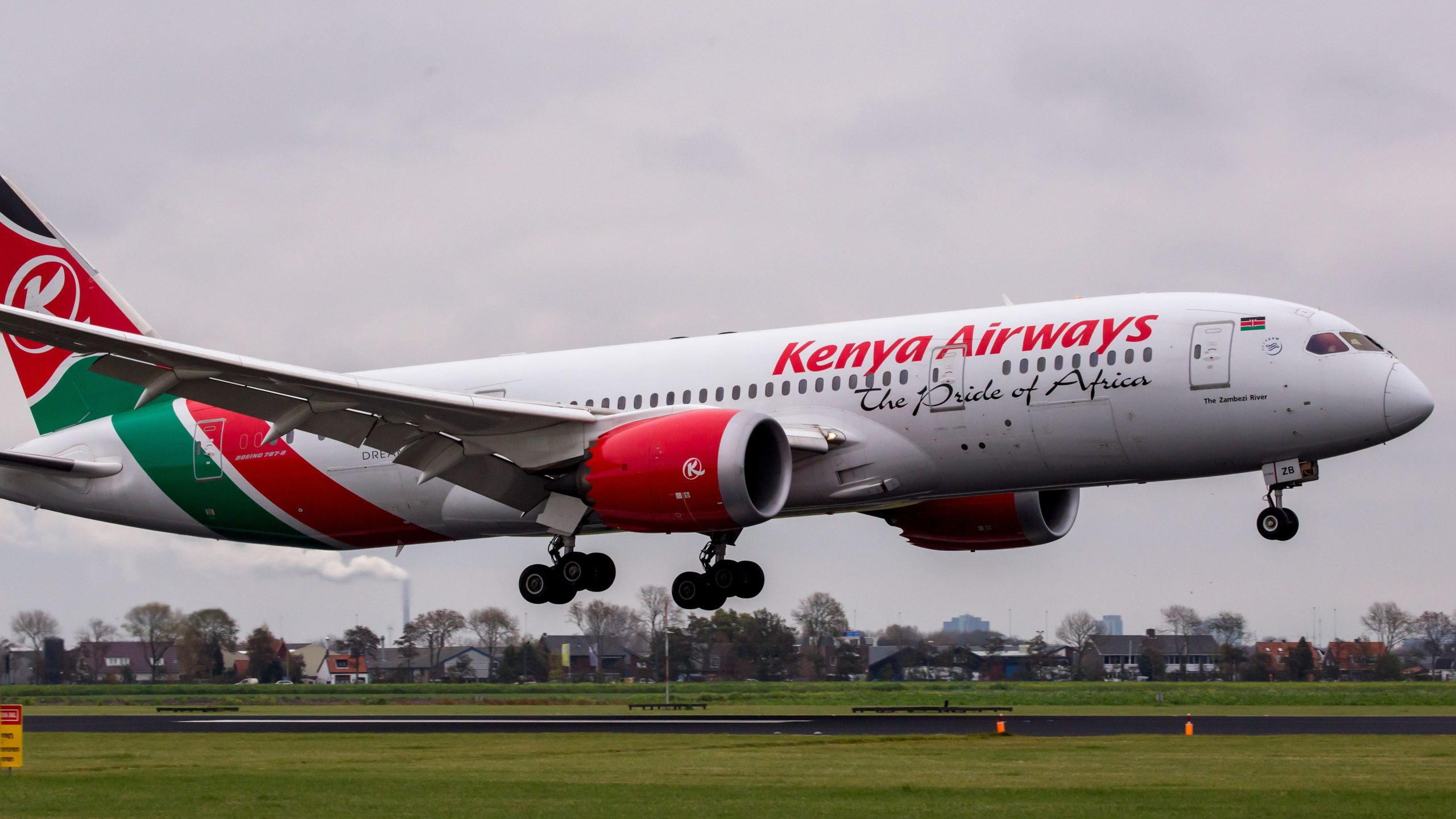
The Final Approach
The Kenya Airways story is a mirror for all of us. Whether you are running a small startup in Nairobi or a multinational corporation, turbulence is guaranteed.
The real test of leadership isn’t avoiding the storm; it’s having the courage to restructure the wings while you’re still in the air. As we watch the “Pride of Africa” enter this new chapter, it’s time to ask yourself: In your own business, what is the one asset you would never let go of, no matter the cost?