

Kenya’s Central Bank Pauses Rate Cuts as Oil Prices Threaten Inflation Recovery
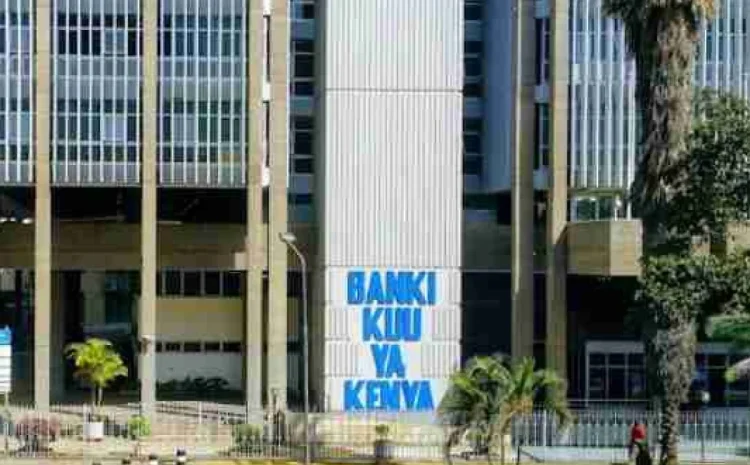
Kenya’s central bank has halted its recent cycle of interest-rate cuts, choosing instead to hold borrowing costs steady as policymakers assess the economic risks posed by rising global oil prices and geopolitical uncertainty. The Central Bank of Kenya (CBK) kept its benchmark lending rate unchanged at 8.75%, marking a shift from an aggressive easing strategy that had seen rates reduced repeatedly over the past year to stimulate economic growth.
Why the Central Bank Stopped Cutting Rates
For much of 2024 and 2025, Kenya’s inflation remained relatively contained, allowing the CBK to lower interest rates ten consecutive times to encourage lending, business expansion, and consumer spending. Lower rates typically; Make loans cheaper for businesses and households, encourage investment and consumption and, support economic growth during slowdowns.
However, the global economic environment has changed rapidly. A sharp surge in oil prices — largely linked to geopolitical tensions and supply disruptions — has introduced new inflation risks. Oil prices climbed dramatically in early 2026, nearly reaching $98 per barrel after shipping disruptions in key Middle Eastern trade routes.
Because Kenya is a net importer of fuel, higher oil prices quickly filter through the economy via; Increased transport costs, higher electricity and production expense and, rising food prices due to logistics costs. These pressures can reverse recent progress in stabilizing inflation.
The Inflation Balancing Act
Central banks operate on a delicate trade-off between growth and price stability; Cut rates too fast: inflation may surge; Keep rates too high: economic growth slows. Kenya’s inflation had recently remained within the CBK’s target range of 2.5%–7.5%, giving policymakers room to ease earlier. But rising energy costs now threaten that stability. By pausing rate cuts, the CBK is essentially adopting a “wait-and-see” strategy — monitoring whether oil shocks translate into sustained domestic inflation before making further moves.
Global Trends Also Influencing Kenya
Kenya’s decision mirrors a broader global pattern. Many central banks worldwide have paused policy changes due to uncertainty caused by conflicts affecting energy markets and global trade flows. Emerging economies like Kenya face additional constraints: Higher global interest rates limit room for independent policy decisions. Rapid rate cuts could weaken the currency and trigger capital outflows. Exchange rate stability remains critical for import-dependent economies.
What This Means for Businesses and Borrowers
For businesses hoping for cheaper loans, the pause signals stability rather than relief. Commercial banks say lending rates have already begun easing gradually following earlier cuts, but credit growth remains cautious due to economic risks and non-performing loans.
The Bigger Economic Picture
Despite global pressures, Kenya’s economy remains relatively resilient. Growth is projected to accelerate toward 5.5% in 2026, supported by services, industry recovery, and improving private-sector credit demand.
But risks remain: Oil price volatility, geopolitical tensions, weather-related agricultural shocks, global financing conditions. The CBK’s pause therefore reflects not weakness, but risk management — ensuring that earlier gains in inflation control are not undone by external shocks. If inflation stays contained, rate cuts could resume later in the year. But if energy-driven inflation rises, policymakers may keep rates unchanged — or even tighten policy again.
Bottom Line
Kenya’s central bank is shifting from stimulus mode to caution. After months of supporting growth through lower borrowing costs, policymakers are now prioritizing economic stability as global oil shocks threaten to reignite inflation. In short: the economy is no longer fighting weak growth — it is preparing for external uncertainty.