

The “Zero-Tariff” Gateway: How African SMEs Can Pivot to the Chinese Market Today
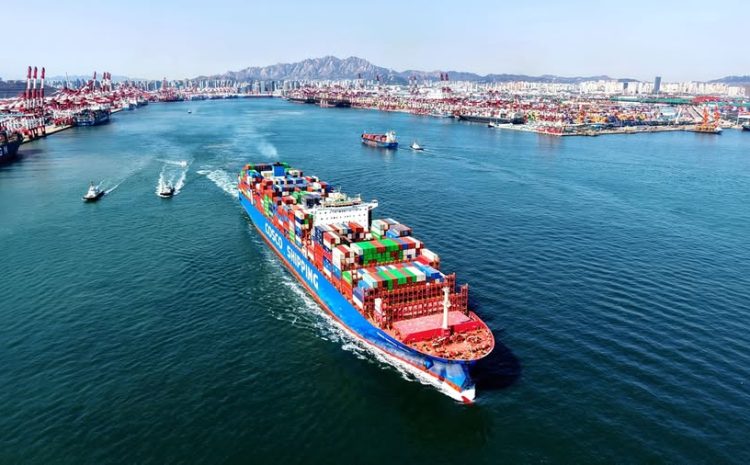
Opening the gateway: As of May 1, 2026, China’s 100% tariff-free offer is active for 53 African nations, targeting a record $348 billion trade volume
As of May 1, 2026, the trade landscape for African exporters has fundamentally changed. Following a strategic commitment reaffirmed by African ambassadors in Beijing last week, China has officially activated its 100% tariff-free offer for products originating from 33 of Africa’s least developed countries.
This is not just a diplomatic gesture; it is a massive industrial policy lever designed to move African SMEs from exporting raw materials to shipping high-value, processed goods to one of the world’s largest consumer markets.
1. Beyond Raw Materials: The Value-Addition Mandate
For years, the Africa-China trade story was about oil and minerals. In 2026, the focus has shifted to SME-led value addition. To benefit from the zero-tariff offer, African businesses are being urged to utilize the AfCFTA “Guided Trade” framework to standardize their production.
Whether it is processed coffee from Ethiopia, soya-based products from Cameroon, or textiles from West Africa, the goal is to meet Chinese market standards, which the African Union warns are “non-negotiable” for successful entry.
2. Financial “Green Channels” for Exporters
The biggest hurdle for SMEs has always been the cost of compliance and logistics. This week, African leaders called for a “practical and coordinated” partnership with Chinese institutions to create Green Channels for SME financing.
- Trade Finance: New facilities are being designed to help SMEs manage inventory and meet the rigorous certification and traceability requirements of the Chinese market.
- Local Production Systems: Investment is being redirected toward Industrial Zones and regional logistics hubs to ensure SMEs can produce at the scale required for global export.
3. The Digital Trust Factor: Traceability and Standards
In 2026, “market access” is synonymous with “digital compliance.” To succeed in the Chinese market, African SMEs are increasingly adopting Cloud ERP and AI-driven traceability tools.
- Standardization: Exporters must now use digital platforms to prove “Rules of Origin” and meet international health and safety certifications.
- Skills-as-a-Service: A new wave of African tech SMEs is emerging to provide “Export-as-a-Service,” helping traditional manufacturers navigate the complex digital and regulatory requirements of the 100% tariff-free window.