36 billion cubic meters.
23 billion.
On 14th October 2026, the Zambezi River Authority told Zambia and Zimbabwe how much of Lake Kariba they may run through their turbines in 2027. The combined allocation falls from 36 billion cubic meters to 23 billion, a cut of 36%. The authority pointed to unfavorable rainfall forecasts.
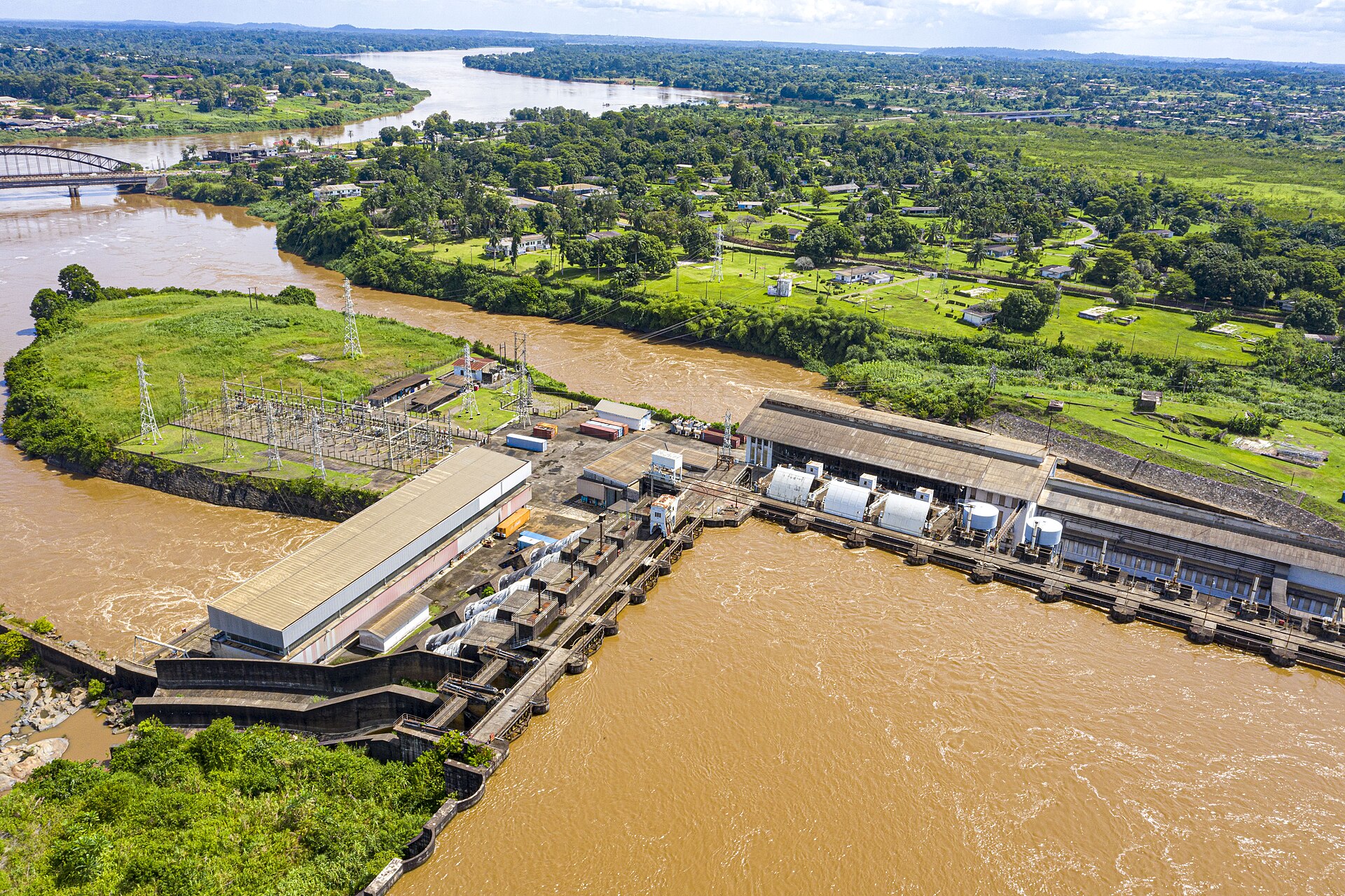
Kariba is 1 lake shared by 2 countries. Its dam feeds power stations on both banks, among them Zimbabwe’s 1,050 MW Kariba South. When the water is rationed, 2 grids are rationed with it.
The last time
Both countries know what this looks like. At the start of 2024, the authority cut the allocation from 30 billion cubic meters to 16 billion, a 47% cut, leaving 8 billion each for Zambia’s ZESCO and Zimbabwe’s ZPC.
By September 2024, ZESCO was cutting power to homes for as long as 21 hours a day.
2027 is not 2024. 23 billion is more than 16. But it is the 2nd deep cut in 4 years, and it lands on economies that have not stopped running on the lake.
The fix
Zimbabwe has an answer on paper. On 13th October 2026, the government announced a power purchase agreement between ZETDC, its state grid company, and GreenGrid Energy for a 600 MW solar plant at Kariba, costing $650 million. The idea is simple: let the panels carry the day, and save the lake’s water for the night.
The technical and regulatory work was finished in July 2026. The financing is not. Neither is the construction timeline. The plant was first presented as floating on the lake; its early phases will now be built on land. And by Ecofin Agency’s reporting, it is unlikely to produce power before the 2027 cuts begin.
The water leaves on a schedule.
The solar does not have one yet.
The warning
South Africa shows the other half of the problem, and it is worth reading before anyone in the region signs a power deal.
There, solar has grown faster than the grid can absorb it at noon. According to the solar industry association Sapvia, curtailment instructions, orders to state-procured plants to stop feeding the grid, rose from about 100 a month early in 2026 to more than 1,000 a month by July. On 1 winter day, the national transmission company curtailed up to 3 GW.
State-procured plants are paid for the energy they are told to throw away. Private deals are not. A private contract that wheels power across the grid carries no such payment, and who absorbs the loss depends on what the buyer and seller wrote down.
Too little power in the north. Too much at noon in the south.
Both are problems of timing.
The window
For a founder, the water cut does something rare: it puts a date on demand.
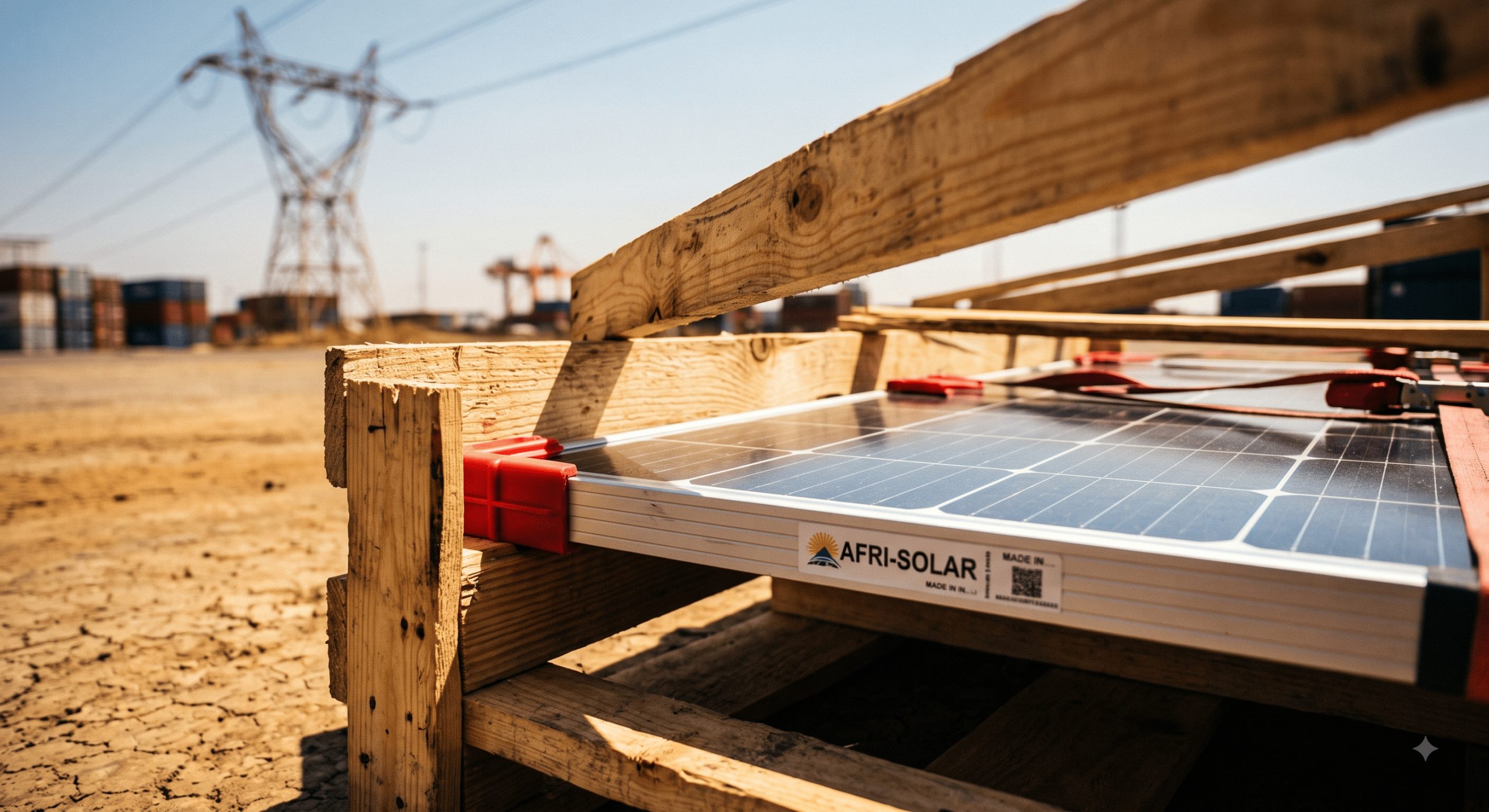
Every mine, mill, farm and factory in Zambia and Zimbabwe that runs on the grid now knows 2027 will bring less of it, and knows the utility-scale fix may arrive late. That is the window for captive power: solar and batteries on site, sized to carry a business through the hours the grid goes dark, and sold and installed in the months before the cut rather than during it.
South Africa supplies the contract clauses. Agree up front who pays for power that cannot be used. Then size the batteries to move noon energy into the evening, when it is worth more.
“Batteries cannot recover electricity curtailed at the generator, but they can improve the value of the available energy.”
Matthew Cruise, energy analyst at Jaltech
The lake will be lower in 2027.
The sun over it will be the same.