

Africa Grows 70% of the World’s Cocoa and Earns a Sliver. This Week, Three Industries Decided to Stop
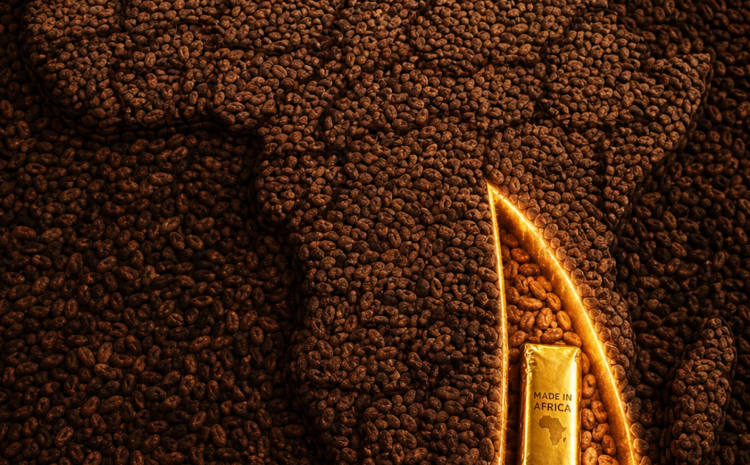
Africa grows roughly 70% of the world’s cocoa.
It earns under 10% of the $120 billion chocolate market built on top of it.
That single gap, between what the continent produces and what it is paid, is the oldest story in African trade. This week 3 separate moves, in 3 different industries, all reached for the same fix at once:
Stop exporting the raw thing. Own the next step.
The 1st move
A cartel reaching for pricing power.
Ghana and Côte d’Ivoire, who between them grow about 60% of the world’s cocoa, met in Abidjan on the 16th of June and agreed to harmonize their farm-gate prices and crop calendars from the 2026/27 season.
Their joint body, the Côte d’Ivoire–Ghana Cocoa Initiative, has already earned a nickname: COPEC, the cocoa OPEC.
The logic is OPEC’s logic. Two producers controlling 60% of supply have leverage they have never used in concert. Aligning prices kills the cross-border smuggling that price gaps create, and it is the first step toward the real prize the committee named out loud: expanding domestic processing, because Africa grinds almost none of the cocoa it grows.
The 2nd move
A brand reaching for the shelf.
Murang’a purple tea, grown by Gatanga Industries, just launched in Paris through Palais des Thés, a French retailer with more than 140 stores across Europe.
The deal was brokered by Equity Group, and Kenya is now pursuing Geographical Indication status to legally protect the name the way Champagne is protected.
This is the whole game in one cup.
Bulk Kenyan tea sells as an anonymous commodity into a blending auction. A named, origin-protected specialty with “floral aroma and high antioxidant content” sells as a premium product at a premium margin, and the margin stays with the farmer and the country, not the blender. Equity CEO James Mwangi put the thesis plainly:
Value retention within the country.
Dr. James Mwangi
The 3rd move
A factory reaching for the margin.
Ethiopia announced it will assemble laptops and tablets domestically, repurposing the textile lines at Hawassa Industrial Park into a technology hub under its Digital Ethiopia 2030 plan.
In Nigeria, the science agency NASENI and the Rural Electrification Agency signed a deal to manufacture solar panels, inverters and batteries locally under a “Nigeria-First” policy.
And Aliko Dangote, whose refinery is already cutting West Africa’s fuel imports, keeps repeating the line that ties all of this together:
“I want to be remembered for industrialising Africa.”
ALIKO Dangote
Cocoa, tea, electronics, fuel. Four industries, one instinct.
The Entrepreneur Opportunity Lens.
Who wins?
The processors.
The grinder who turns beans into butter and liquor before they leave the port.
The brand-builder who gives a commodity a name and a GI seal.
The assembler who screws the device together onshore.
And critically, the financier who funds all three,which is why a bank, Equity, is the one who put Murang’a tea on a Paris shelf.
Who is squeezed?
The pure exporter of raw beans, raw leaf, raw ore.
The foreign blender, grinder and assembler who has lived for a century on the margin Africa left on the table. Anyone whose business assumed the continent would keep shipping the cheap input and buying back the expensive output.
The gap to build into.
Africa has spent decades trying to raise the price of what it exports. The smarter move, happening now in real time, is to change what it exports, from the raw input to the finished step above it. A cocoa-grinding plant. An origin-protected food brand. A device assembly line. A fertiliser complex.
Every one of those is a company, and almost none of them exist yet at the scale the raw output already proves there is demand for.
The producers learning to set their own price, the brands climbing onto European shelves, the industrialists pouring concrete on the next processing step, and the bankers like James Mwangi and builders like Aliko Dangote financing the climb are in one room at the Business Week Afrika Summit on the 1st and 2nd of October 2026, where the people who grow the world’s raw materials meet the ones building the step that finally pays for them.
#TwendeBWA