

Democratizing Prosperity: The 2026 Surge of 3,200 African Entrepreneurs
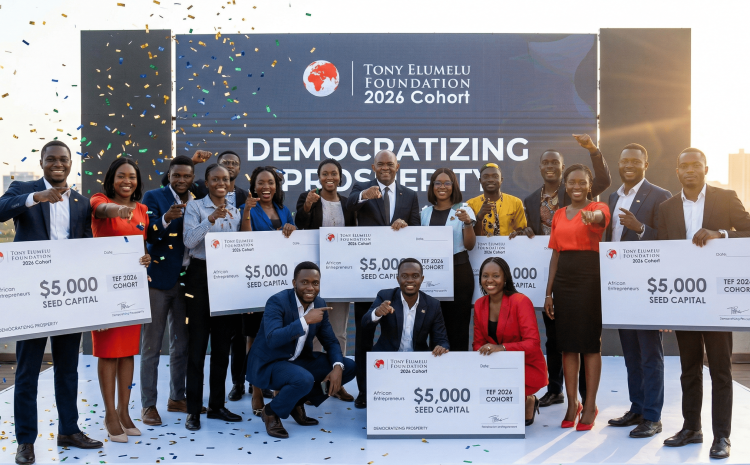
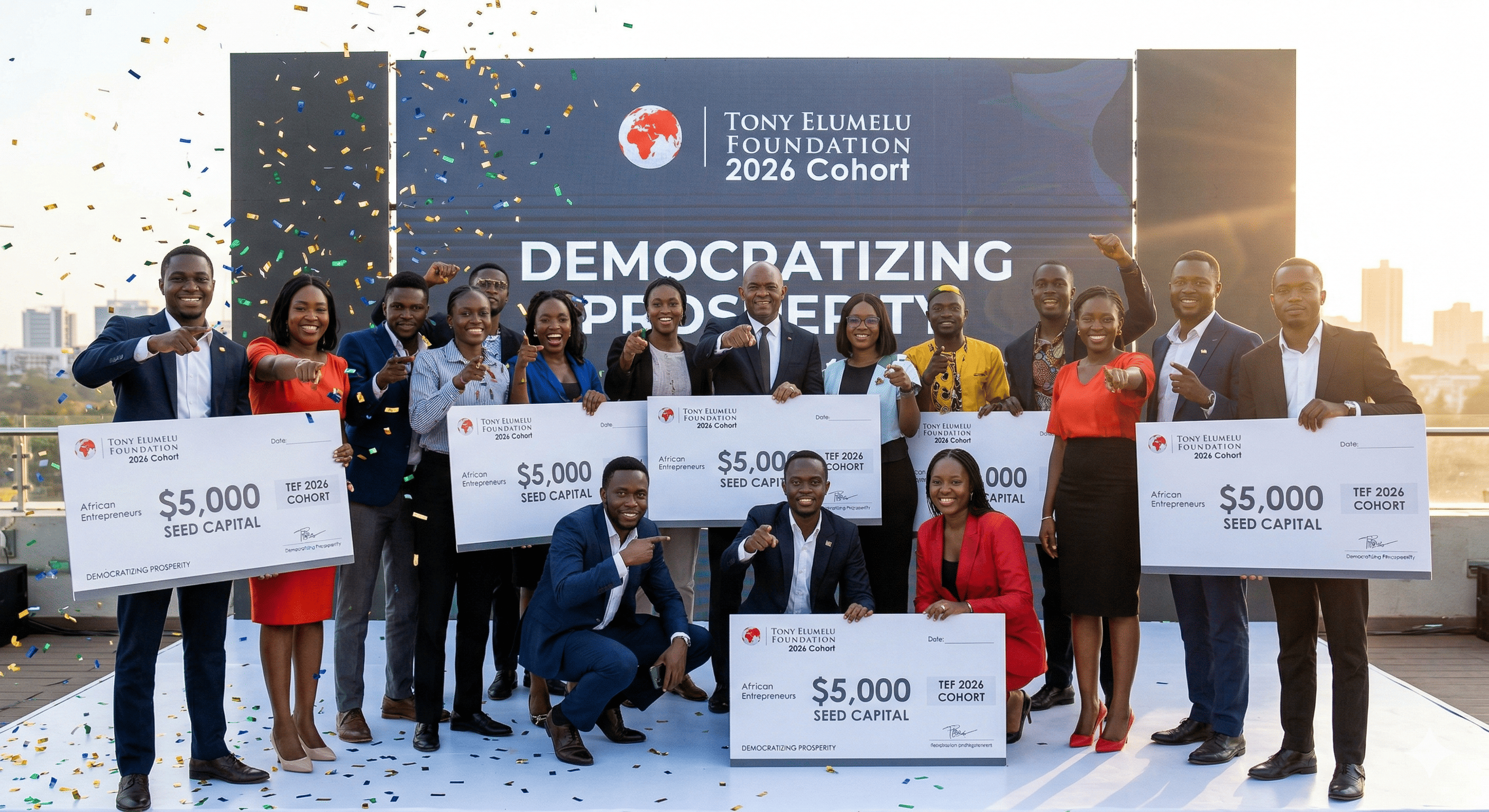
While global markets navigate a complex 2026, the African entrepreneurship scene received a massive $16 million adrenaline shot this past Sunday. The Tony Elumelu Foundation (TEF) officially unveiled its 2026 cohort, selecting 3,200 young entrepreneurs from across all 54 African countries to receive $5,000 each in non-refundable seed capital.
This year’s selection isn’t just a philanthropic gesture; it’s a data-backed bet on the sectors that will define Africa’s GDP in the coming decade.
1. The “Gender-First” Economy
For the first time in the program’s history, 51% of the selected beneficiaries are women. Tony Elumelu, Chairman of Heirs Holdings, emphasized that this was “purely by merit,” highlighting a shift where female-led SMEs are outperforming their peers in business model clarity and scalability. For African SMEs, the message is clear: Women are no longer just “participating” in the economy; they are leading it.
2. Agribusiness: The Continent’s Engine
Nearly 30% of the 2026 cohort is concentrated in agriculture and agribusiness. As Africa works to dismantle its $50 billion annual food import bill, these SMEs are moving beyond primary farming into localized refining, cold-chain logistics, and AI-driven crop management.
3. The Rise of Hybrid Funding
A significant trend for 2026 is the Partnership Model. Of the 3,200 entrepreneurs:
- 1,751 are funded by Heirs Holdings companies.
- 1,449 are supported through strategic partnerships with the European Commission, UNICEF, and the UNDP.
This “Blended Capital” approach—combining private sector wealth with international development funds—is becoming the gold standard for SME support in Africa. It ensures that businesses don’t just get a check but also gain access to global networks and technical mentoring.
Why This Matters Now
With the AfCFTA “Guided Trade” framework now reducing tariffs on over 90% of service categories as of early 2026, these 3,200 new businesses are entering a market that is more integrated than ever before. The “TEF effect” is expected to create thousands of jobs, proving once again that SMEs are the ultimate “shock absorbers” for the African economy.