

The New Capital Architecture: Why African SMEs are Swapping Equity for Debt in 2026
For over a decade, the “African Tech Dream” was sold through a single lens: the Venture Capital (VC) mega-round. Success was measured by how much equity a founder could trade for a Silicon Valley check. But by March 2026, the blueprint for SME growth has undergone a structural revolution.
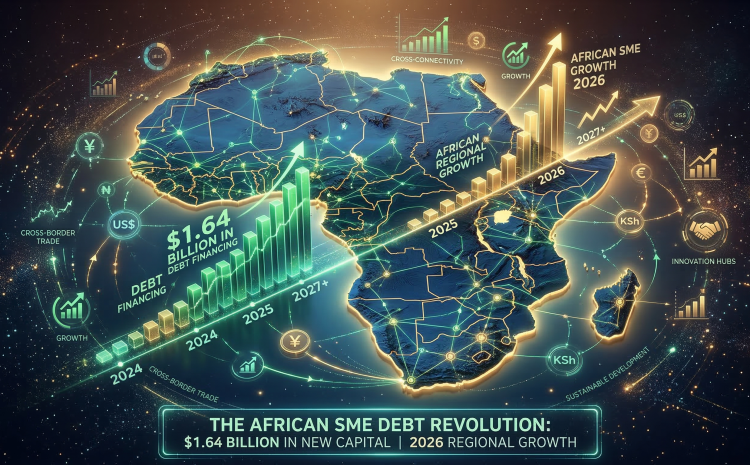
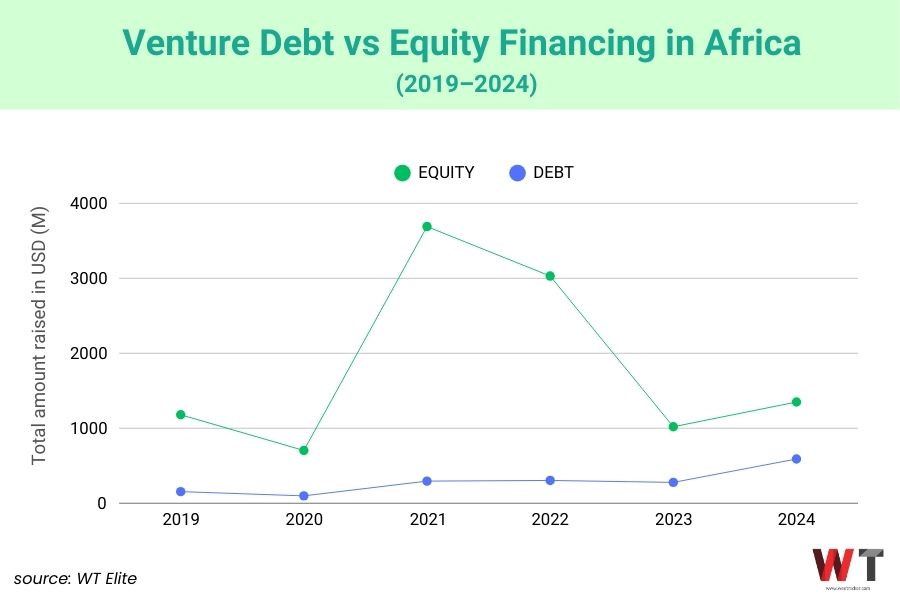
According to the latest 2025 Africa Tech Venture Capital Report released by Partech in early 2026, debt financing has surged to a record $1.64 billion, a staggering 63% year-on-year increase. For the first time, debt accounts for 41% of all capital invested in African startups and SMEs, signaling a “second phase” of ecosystem maturity that favors sustainability over speculation.
The Great Recalibration
The shift isn’t just a reaction to a “funding winter.” It is a strategic move by African founders to protect their ownership. In 2021, debt represented a mere 17% of total funding. Today, as global interest rates remain high and equity valuations stay conservative, founders are choosing non-dilutive funding—capital that allows them to scale without giving away more board seats.
“African startups are getting more mature and predictable,” notes Tidjane Deme, General Partner at Partech Africa. “There is a higher eligibility bar for debt than equity. You need real cash flows, not just a pitch deck.”
The Winners: Energy, Logistics, and “Asset-Heavy” Models
Nowhere is this trend more visible than in the Climate Tech and E-mobility sectors. Because these businesses require heavy physical infrastructure—think electric bikes, batteries, and solar panels—they are perfectly suited for debt.
Case Study: Spiro’s $50M Expansion
In late February 2026, African electric mobility leader Spiro secured $50 million in debt from a consortium including Afreximbank and the Africa Go Green Fund. This follows a massive $100 million round in late 2025. By using debt to fund its fleet of 80,000+ electric bikes and 2,500 battery-swapping stations, Spiro is scaling its physical footprint across six countries without diluting its original mission or ownership.
Why SMEs Should Pay Attention
For the average high-growth SME, this shift opens three specific doors:
- Working Capital Mastery: Debt is increasingly used for “receivables” and “inventory”—the lifeblood of SMEs that often wait 60–90 days for payments.
- Blended Finance: Development Finance Institutions (DFIs) are now the primary engines of this debt surge, often “de-risking” loans so local commercial banks feel comfortable lending to smaller players.
- Local Currency Resilience: New debt structures are focusing on local currency lending (Naira, Shillings, CFA), protecting SMEs from the devastating exchange rate volatility seen in 2024 and 2025.
The Bottom Line: Ownership is the New “North Star”
In 2026, the most successful African SMEs aren’t the ones with the loudest VC announcements; they are the ones with the most sophisticated balance sheets. By balancing modest equity with structured debt, founders are building “camels”—resilient businesses built to survive the desert—rather than “unicorns” dependent on the next equity infusion.
As the United Nations Economic Commission for Africa (ECA) highlighted in its March 2026 report, Africa’s growth is finally moving from “factor accumulation” to “sustained productivity.” For the SME owner, the message is clear: The best way to own the future is to make sure you still own your company.