

Middle East War Threatens African Agriculture
The war in the Middle East is beginning to affect global fertiliser supply, raising concerns for African agriculture. After Iran blocked shipping through the Strait of Hormuz, global attention initially focused on oil prices. Brent Crude Oil briefly surged to about $120 per barrel before falling to around $87, still about 20% higher than before the conflict.
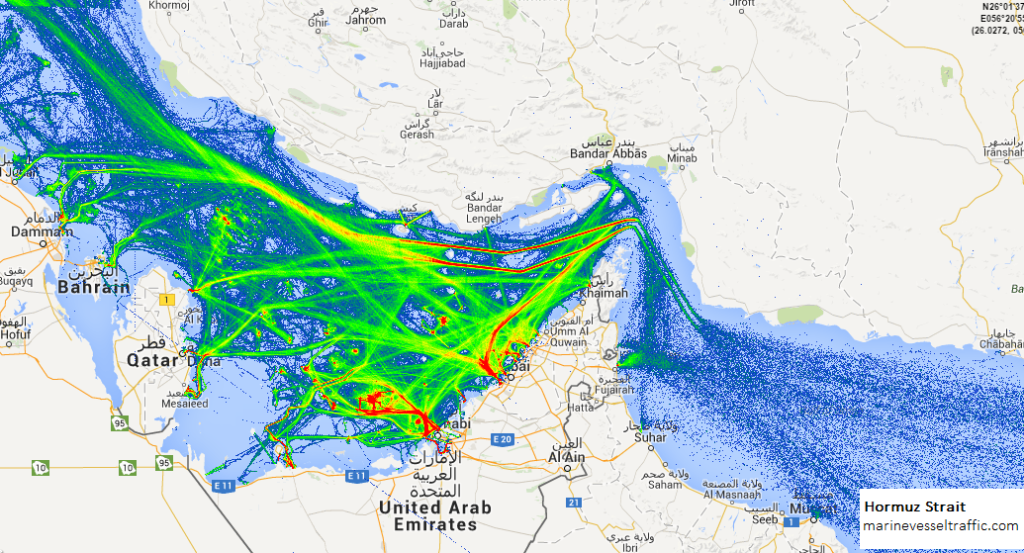
However, the Gulf region is also a major supplier of fertilisers. Countries such as Iran, Saudi Arabia, and Qatar export key fertiliser products including ammonia, urea, and phosphates. Disruptions to shipping and natural gas supply—an essential input in fertiliser production—have tightened global supply and pushed prices higher.
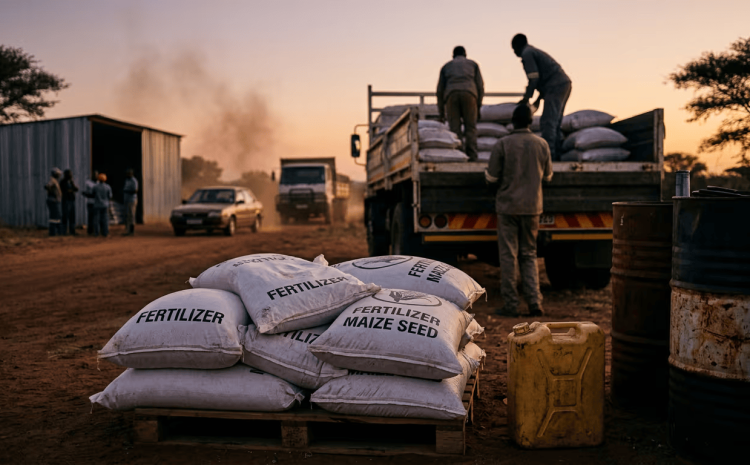
According to economist Leeuwner Esterhuysen of Oxford Economics Africa, fertiliser futures rose by more than 10% when the conflict began, and global fertiliser prices are expected to increase by nearly 17% in the first half of 2026 compared to last year. Higher prices may force many African farmers, especially smallholders, to reduce fertiliser use, which could lower crop yields and raise food prices.
Some African oil exporters like Nigeria and Angola may benefit from higher oil revenues. However, consumers and businesses could still face rising costs due to increased fuel and food prices.
A report from United Nations Conference on Trade and Development warns that higher oil and gas prices typically lead to higher fertiliser costs. Countries most exposed to the disruption include Sudan, which imports 54% of its fertiliser from the Gulf, as well as Tanzania, Somalia, Kenya, and Mozambique.
Importers may try to source fertilisers from alternative producers such as Russia, China, or Egypt, but supplies are limited and shipping may take longer and cost more.
The crisis highlights Africa’s dependence on imported fertilisers. Although the continent has natural gas and phosphate resources, domestic production remains limited. Projects such as the $2.5 billion fertiliser plant built by Dangote Group in Nigeria show efforts to increase local production. There is also growing interest in producing green ammonia fertiliser within Africa.
Despite these initiatives, expanding fertiliser production across the continent will require major investment, reliable energy supplies, and improved infrastructure. Until then, African agriculture will remain vulnerable to global supply disruptions.