

Kenya Holds Fuel Prices Steady as Strait of Hormuz Crisis Threatens Global Oil Supply
Kenya has maintained stable fuel prices for the March–April pricing cycle despite growing global energy uncertainty linked to escalating conflict in the Middle East and disruptions in the Strait of Hormuz.
The Energy and Petroleum Regulatory Authority (EPRA) announced that pump prices will remain unchanged for 30 days, with super petrol retailing at KSh178.28 per litre in Nairobi, diesel at KSh166.54, and kerosene at KSh152.78. Similar prices apply across major towns, including Mombasa, Nakuru, and Eldoret.
Stability Despite Rising Import Costs
The decision comes even as the landed cost of imported petrol rose slightly during the review period, increasing by about 1% between January and February 2026.
Holding prices steady offers temporary relief to motorists and businesses worried about potential spikes triggered by global tensions.
However, analysts warn that the stability may not last.
Strait of Hormuz Driving Global Oil Volatility
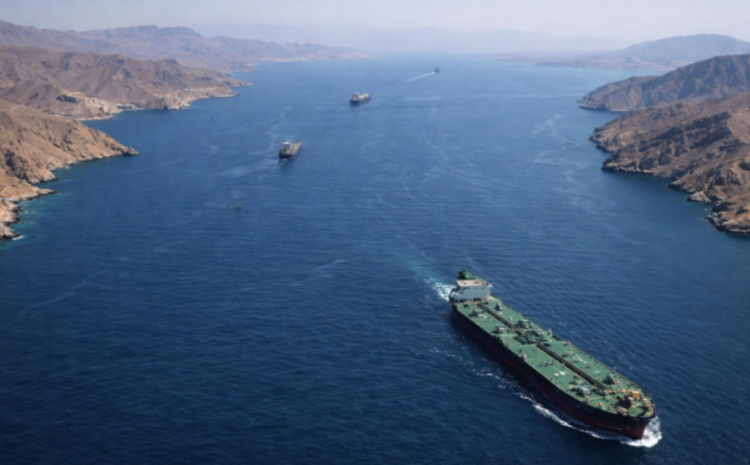
The ongoing conflict involving Iran and Western allies has disrupted shipping through the Strait of Hormuz, a vital corridor through which roughly 20% of global oil supply normally passes.
Attacks on vessels and threats to close the waterway have forced energy producers to adjust exports and triggered sharp volatility in oil markets. Global benchmark crude prices have surged above $100 per barrel at times amid fears of prolonged supply disruptions.
Energy analysts describe the situation as one of the most significant global energy security shocks in decades, with risks of higher inflation and fuel shortages in oil-importing countries.
What It Means for Kenya
Kenya imports nearly all of its petroleum products, making domestic fuel prices highly sensitive to global supply shocks. While EPRA’s latest review shielded consumers from immediate increases, continued disruption in Middle Eastern shipping routes could raise import costs in upcoming pricing cycles.
Regional governments are already monitoring the situation closely, as prolonged instability could increase freight costs, strain fuel supply chains, and push pump prices higher across East Africa.
A Temporary Calm
For now, Kenyan motorists are benefiting from price stability. But with the Strait of Hormuz crisis unresolved and global markets on edge, the current calm at the pumps may prove temporary if oil supply disruptions persist.