

The Most Underwritable Risk In African Commodity Finance, And Fewer Than 5 Banks Will Touch It.
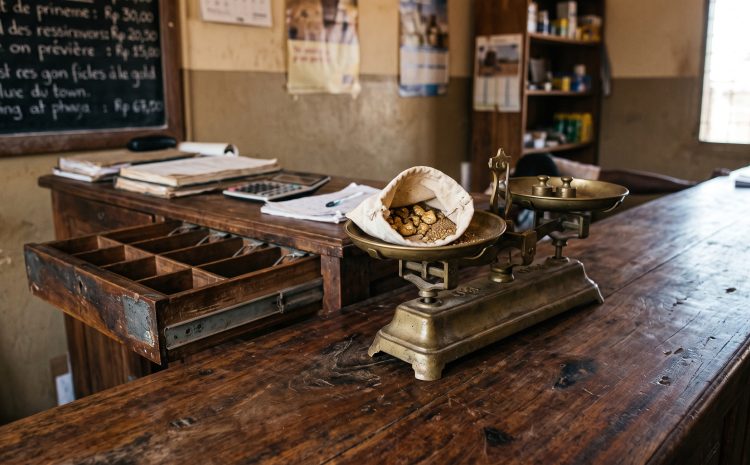
A licensed gold buyer in Ghana has been waiting up to 3 weeks to be paid.
Some have stopped buying. Others are borrowing to stay open. All of it while the price of bullion climbs.
Start with what these buyers are feeding, because it is the most successful formalization story on the continent.
In 2025, Ghana’s artisanal and small scale miners produced a record 104 metric tons of gold and overtook the large mining companies for the first time. That output earned close to $11 billion in foreign exchange. The large scale sector earned about $9 billion.
The people working with shovels out earned the people working with draglines.
Between January 2025 and May 2026, the Ghana Gold Board bought and exported $16.11 billion of that gold. In the first half of 2026 alone it took 50 to 54 metric tons off small scale miners, and it expects the year to beat the 2025 record.
The gold is not the problem.
Ghana built the machine that finally caught it.
GoldBod was created in 2025 with exclusive rights to buy, sell and export artisanal gold.
The purpose: stop the smuggling, and route the dollars through the national accounts instead of across the border.
It worked. Africa’s biggest gold producer took an informal sector it had spent decades failing to police and made it the country’s largest earner of foreign currency.
Then somebody read the bill.
The Bank of Ghana was funding the purchases, and the IMF puts that program’s cost at $1.7 billion of central bank losses in 2025. Transaction costs ran at 14.5% of the value of the gold bought.
A central bank was buying gold at a loss to keep the rail open.
The Fund said stop. Ghana agreed.
The gold is not the problem.
The reform is real, and this is the part worth being fair about.
Moving the program onto GoldBod is expected to cut transaction costs from 14.5% to 5.4%. That is not a cosmetic saving. On $16 billion of throughput it is the difference between a program that drains the state and one that pays for itself.
The reform is correct. The question nobody answered is who funds the float in the meantime.
On 23 July, GoldBod issued mandatory new trade financing procedures. A Tier 2 licensed buyer now applies to an aggregator, passes KYC and a creditworthiness assessment, signs a financing agreement, and posts security worth 10% to 50% of the money advanced. That security must be a bank guarantee, an advance payment guarantee, an insurance bond, or something else GoldBod approves.
Existing beneficiaries had to settle their outstanding balances and close their accounts by 1 August.
On 3 August a foreign exchange auction to commercial banks raised about $75 million, then paused for consultations with the central bank. GoldBod says it raised close to $839 million in advances between March and May. Fewer than 5 banks are comfortable participating without the central bank standing behind it.
By late August the buyers were 3 weeks unpaid.
The gold is not the problem.
What actually happened here
A central bank balance sheet was swapped for a collateral requirement, and the people at the end of the chain do not have collateral.
That sentence has been written on this platform 3 times in a month. It was written about a Kenyan borrower with a spotless repayment record no bank would lend against, because the record sat in the wrong system. It was written about Nigerian manufacturers watching credit rotate away from factories toward real estate, because a building can be seized and a production line cannot.
Now it is a gold buyer holding the most liquid commodity on earth, and he still cannot post a bond.
Who wins, who is squeezed, and the gap
The winners are the aggregators, who now sit at a toll gate the state built, and the few banks willing to write into it.
The squeezed are the Tier 2 buyers, who did the formalization the state asked for and now need a guarantee to keep doing it, and behind them the miner who gets paid when the buyer gets paid.
The gap is the guarantee itself. Somebody has to underwrite 10% to 50% of a gold advance, secured against a commodity that is priced every day in every market on earth, that Ghana produces more of every year, and whose price is currently rising.
That is close to the most underwritable risk in African commodity finance, and fewer than 5 institutions in the country will touch it.
A guarantee facility, a receivables fund, an insurance product for licensed buyers. Any of the 3 is a business, and the demand is not speculative. It is $839 million in a single quarter, with a published rulebook telling you exactly what the customer must produce.
That is the conversation waiting at the Business Week Afrika Summit on 1 and 2 October 2026. The commodity financiers, the insurers, the regulators writing rules like this one and the aggregators living under them each solve a piece of this alone, which is why a fully formalized $11 billion sector runs on a 3 week payment delay.
Secure your seat and join the builders closing the gap: https://apps.little.africa/events/105
At a buying office in Ghana, a man sets a bag of gold on the counter, and the person across from him has nothing to hand back.